

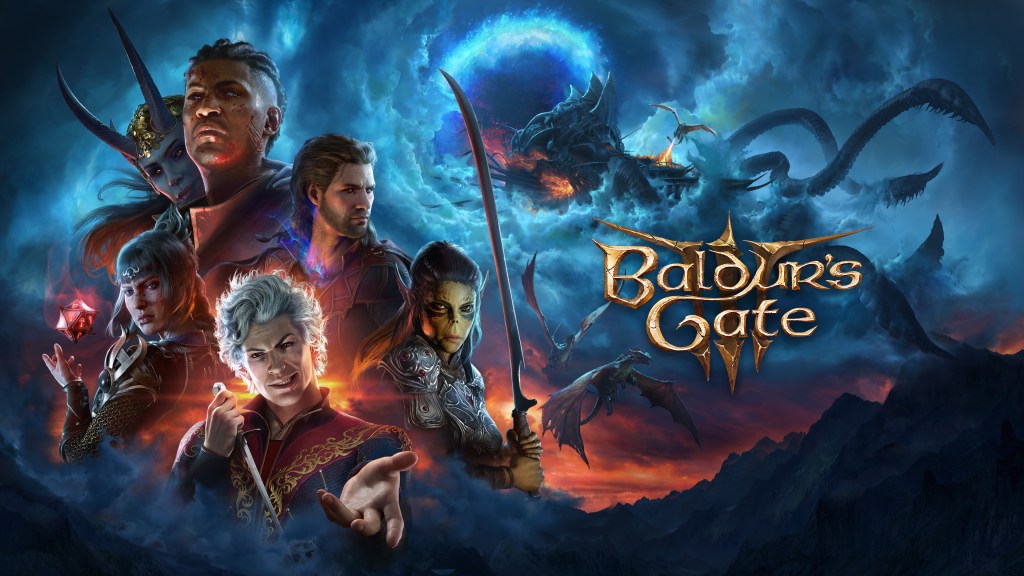
Lansat în august 2023 de Larian Studios, Baldur’s Gate 3 este atât o reînviere, cât și o reinterpretare a legendarei francize Baldur’s Gate. Bazat pe regulile sistemului Dungeons & Dragons 5th Edition, jocul îmbină elementele clasice ale jocurilor tabletop RPG cu o poveste cinematografică și valori de producție moderne. Rezultatul este o epopee amplă, condusă de alegerile jucătorului, unde deciziile contează, consecințele se propagă de-a lungul narațiunii, iar fiecare confruntare oferă multiple soluții.
Baldur’s Gate 3 se impune ca unul dintre cele mai ambițioase jocuri RPG realizate vreodată.
Această recenzie va continua în limba engleză.
Overview
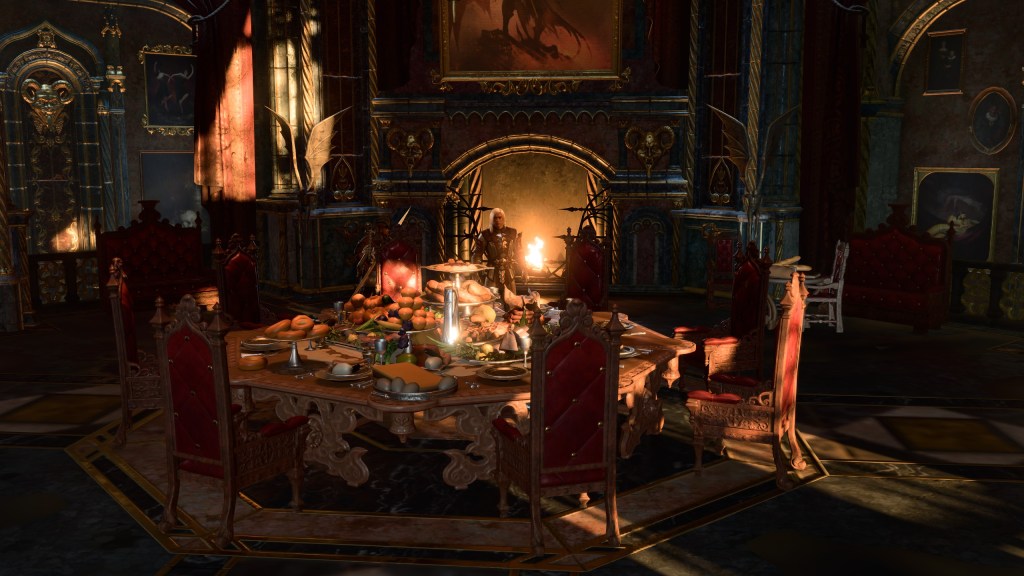
Few games offer the level of agency Baldur’s Gate 3 provides. Every decision—from character creation to how you solve a simple quest—can lead to vastly different outcomes. You can talk your way out of danger, deceive your allies, use environmental tricks to your advantage, or unleash brute magical force. Almost every choice feels validated by the game’s design.
The game’s systems are layered but intuitive: dice rolls for persuasion or deception checks, initiative-based combat turns, and a world that reacts to your moral compass. You’re free to betray companions, romance enemies, or simply walk away from major storylines. Nothing feels forced.
This freedom comes at a cost. The sheer number of options can overwhelm newcomers, and some players might find the interface or inventory management cumbersome at first. The open structure also means pacing can vary dramatically depending on your playstyle.
This is Baldur’s Gate 3’s defining strength. It’s a game where your actions genuinely shape the story. However, it demands attention and patience—rewarding creativity, but punishing complacency.
Narrative, Characters & Writing
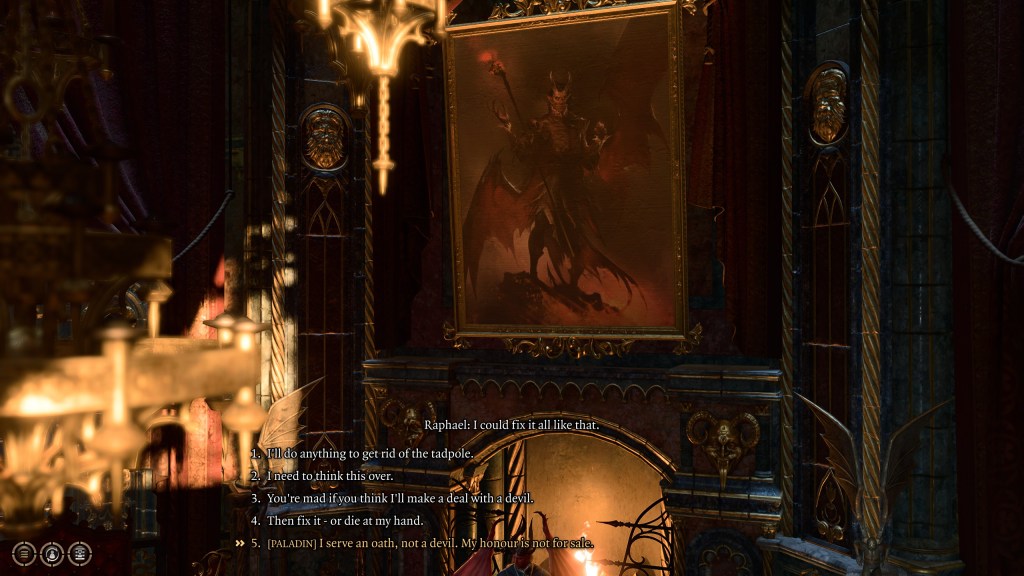
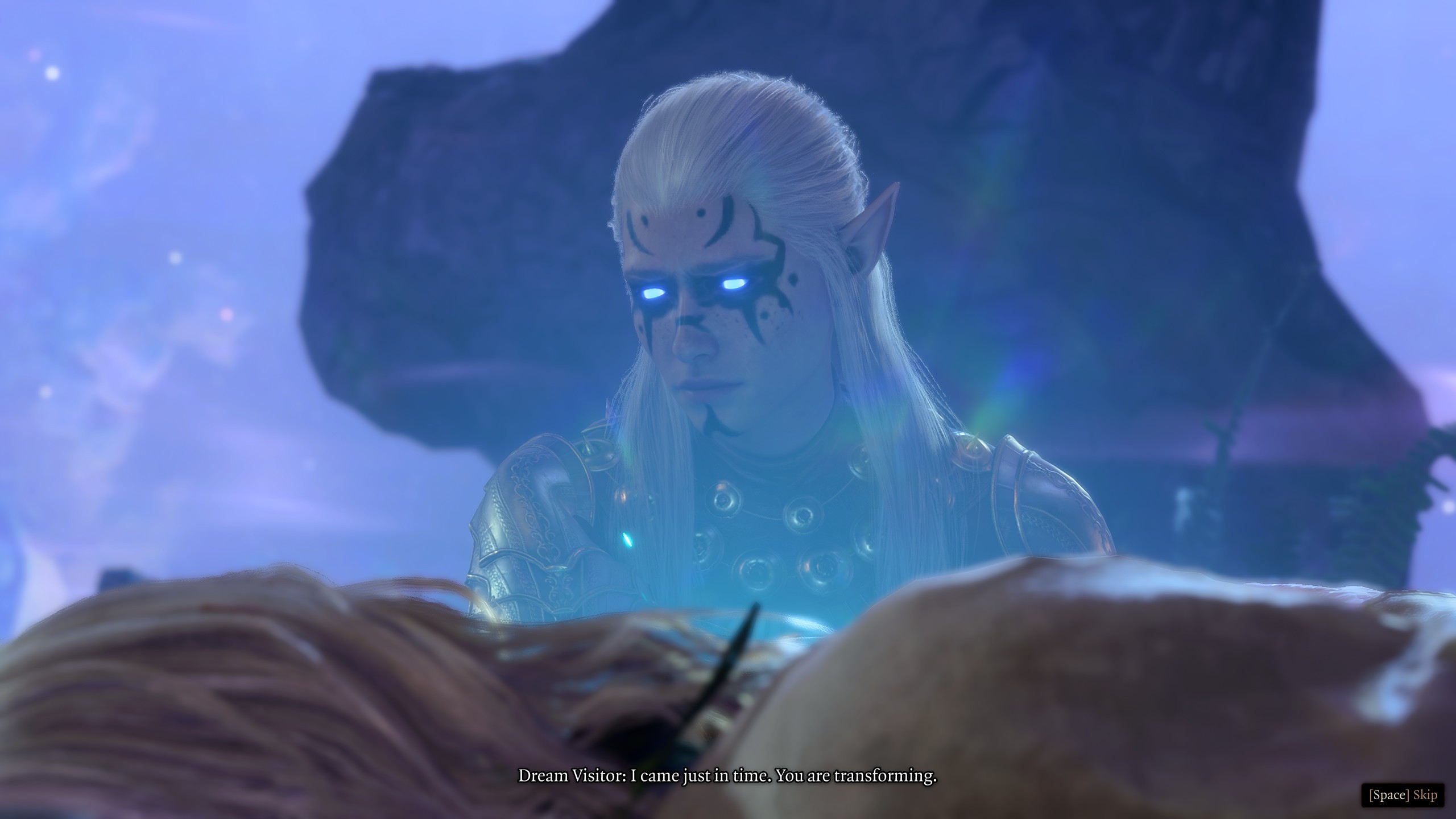
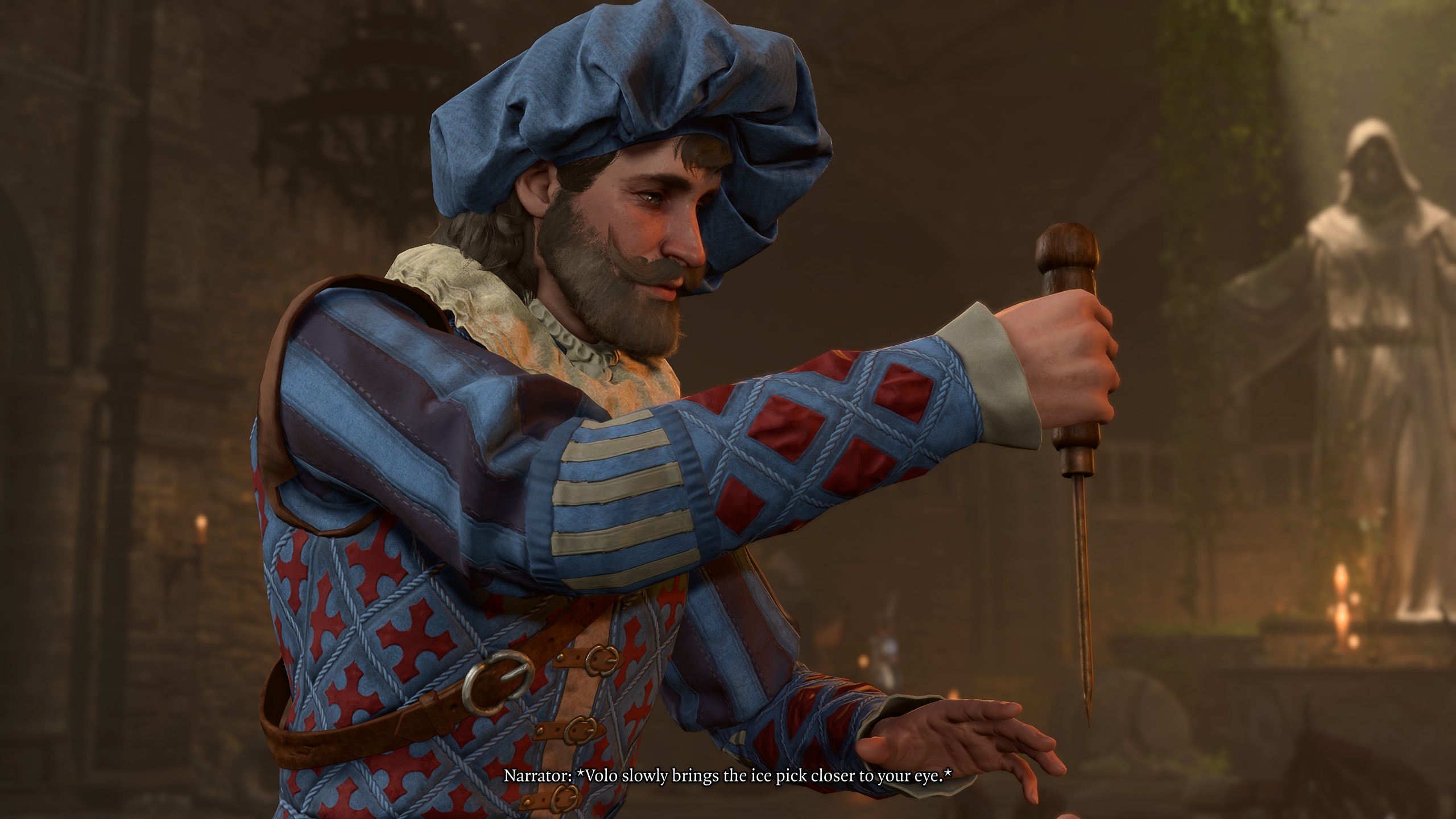
The writing and storytelling are exceptional. Every companion has a layered personality, complex motivations, and evolving relationships with your character. Dialogue is nuanced, and the voice acting brings emotional weight to every scene.
The game’s main story—centered on a mysterious mind flayer parasite—is gripping, but what truly shines are the personal arcs of your companions. From Astarion’s struggle with vampiric hunger to Shadowheart’s crisis of faith, each subplot feels like it could anchor its own novel.
The tone shifts seamlessly between humor, tragedy, and suspense, making conversations feel natural rather than scripted. Larian’s cinematic dialogue system elevates interactions to near film-quality drama.
The narrative density can occasionally feel uneven. Act 1 is near-flawless, brimming with intrigue and exploration, while some later segments in Acts 2 and 3 lose a bit of that early magic. Certain storylines conclude abruptly or lack the emotional payoff they seem to promise.
Despite a few pacing issues, Baldur’s Gate 3 features some of the best writing in modern gaming. It’s heartfelt, funny, and tragic in equal measure—a living, breathing story that remembers everything you’ve done.

Combat & Systems
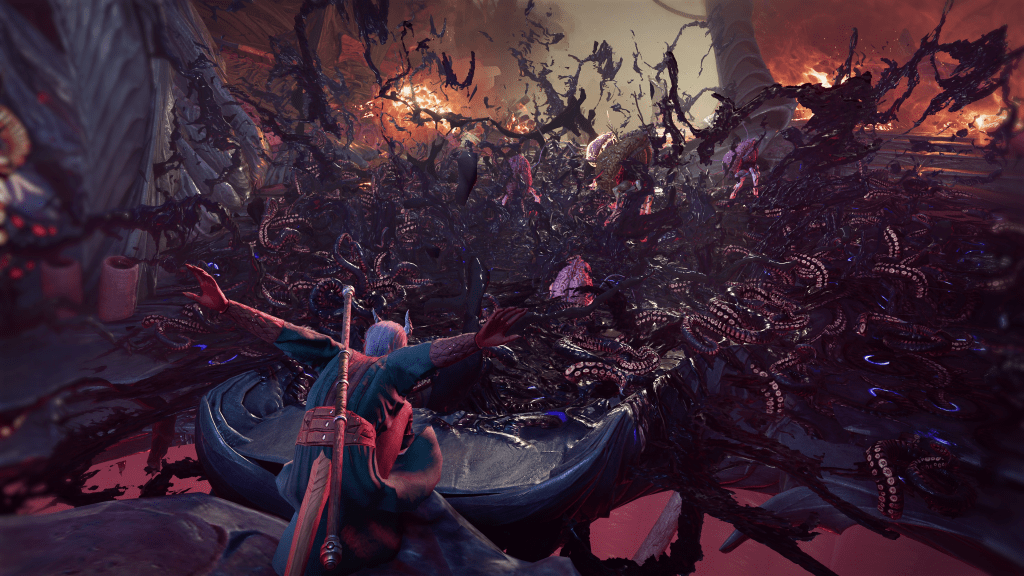
Combat in Baldur’s Gate 3 is turn-based, tactical, and incredibly flexible. Borrowing from D&D 5e rules, you have actions, bonus actions, reactions, and spells—all affected by terrain and environment. Fire ignites oil. Arrows can knock enemies off ledges. Acid eats through armor.
Encounters encourage creativity: you can reposition your party, ambush enemies, or combine spells for devastating effects. Unlike many RPGs, every fight feels like a puzzle rather than a chore.
Character customization adds even more depth. Each race and class combination offers unique abilities, with multiclassing allowing hybrid builds for advanced players.
Inventory and party management can be clunky, especially when juggling gear or swapping items mid-battle. Some fights feel unbalanced—either too easy or unexpectedly punishing—depending on your chosen build.
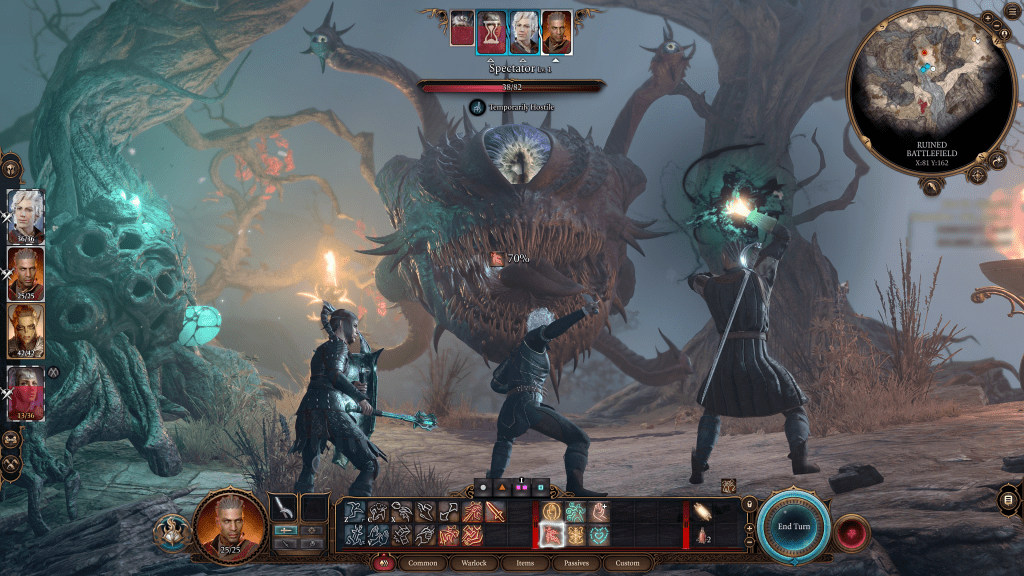
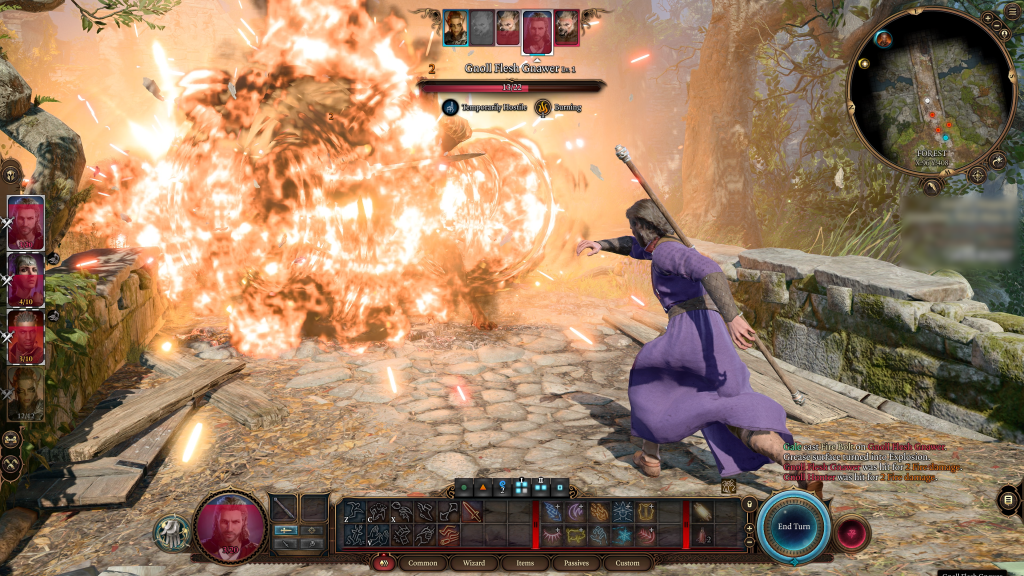
This is strategy at its best: methodical, reactive, and rewarding. It’s slower than typical action RPG combat but far more satisfying for those who enjoy tactical depth.
Production Values & Presentation
Visually, Baldur’s Gate 3 is stunning. Character models are expressive, environments are richly detailed, and lighting effects bring dungeons and forests to life. The game runs on the Divinity 4.0 engine, pushing the boundaries of what a CRPG can look like.
The orchestral soundtrack enhances every moment, from quiet campfire chats to climactic boss battles. Voice acting is uniformly excellent—every major character is fully voiced, giving conversations cinematic weight.
Performance can vary by platform. While the PC version runs smoothly on capable hardware, console versions—particularly at launch—have seen occasional frame drops and long load times. A few visual bugs (like floating objects or clipping) still appear sporadically.
This is the most polished, cinematic CRPG ever made. Even with minor technical hiccups, it’s visually and aurally breathtaking.
Worldbuilding
The world of Baldur’s Gate 3 is a masterclass in environmental storytelling and lore integration. Larian Studios has recreated the Forgotten Realms—the iconic Dungeons & Dragons setting—with extraordinary attention to detail. Every region, from the eerie wilderness of the Shadow-Cursed Lands to the bustling streets of the city of Baldur’s Gate itself, feels alive, cohesive, and steeped in history.
The environments are not just backdrops but active participants in the storytelling. You’ll stumble upon half-buried ruins hinting at lost civilizations, overhear NPCs gossiping about events you influenced, or discover ancient tomes that connect present conflicts to centuries-old lore. The world reacts dynamically to your actions, and minor choices can echo across regions.
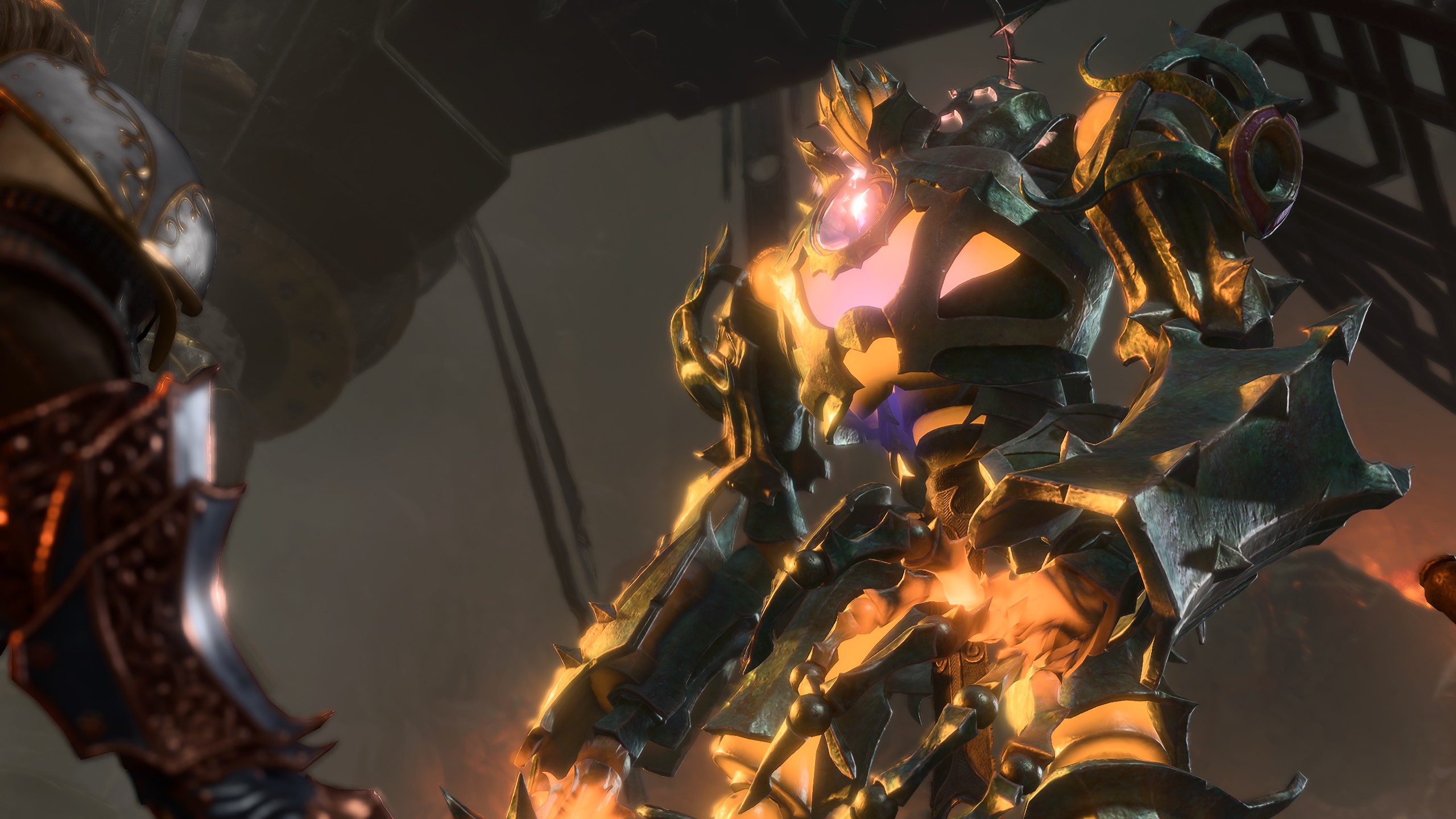
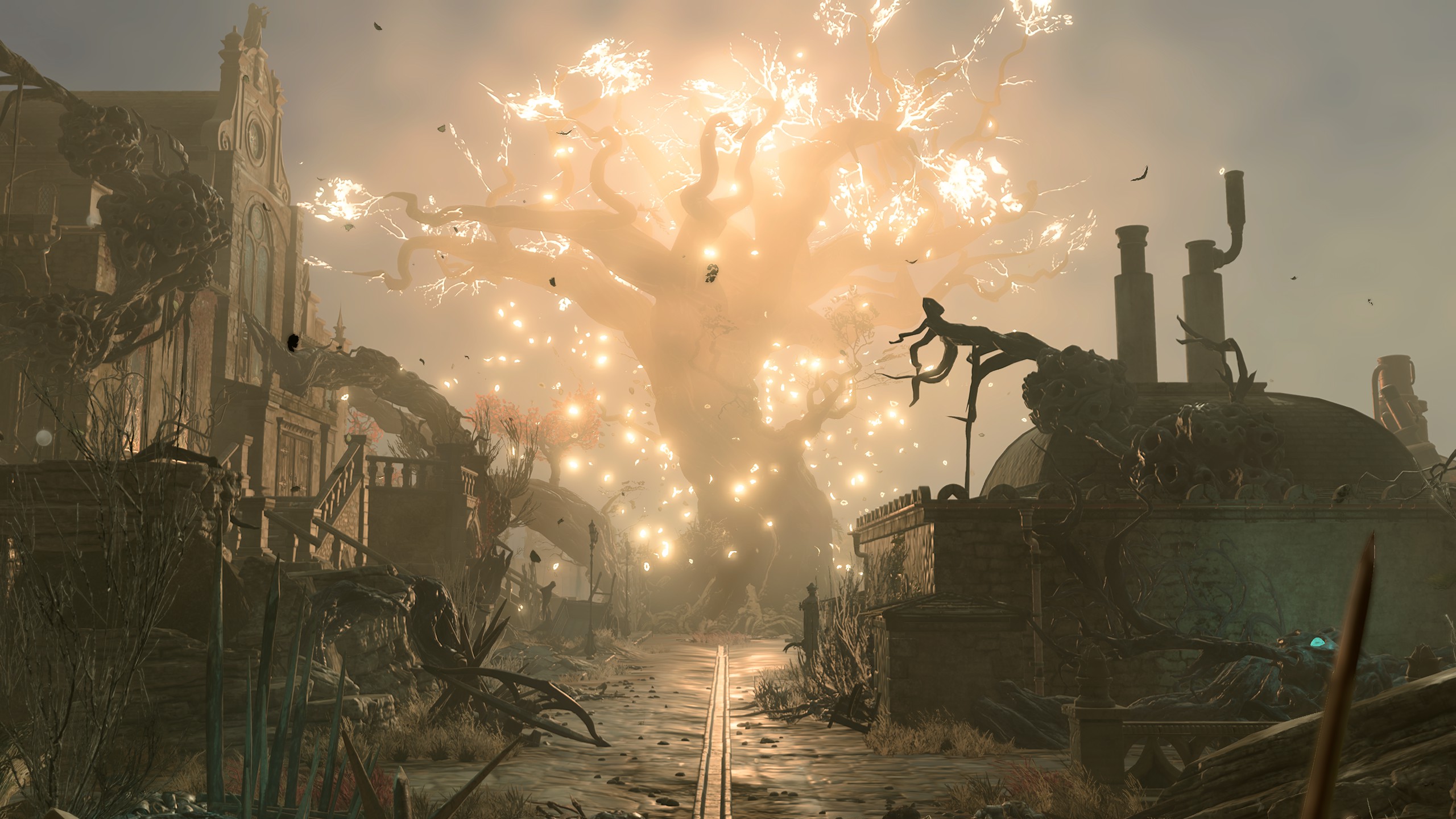
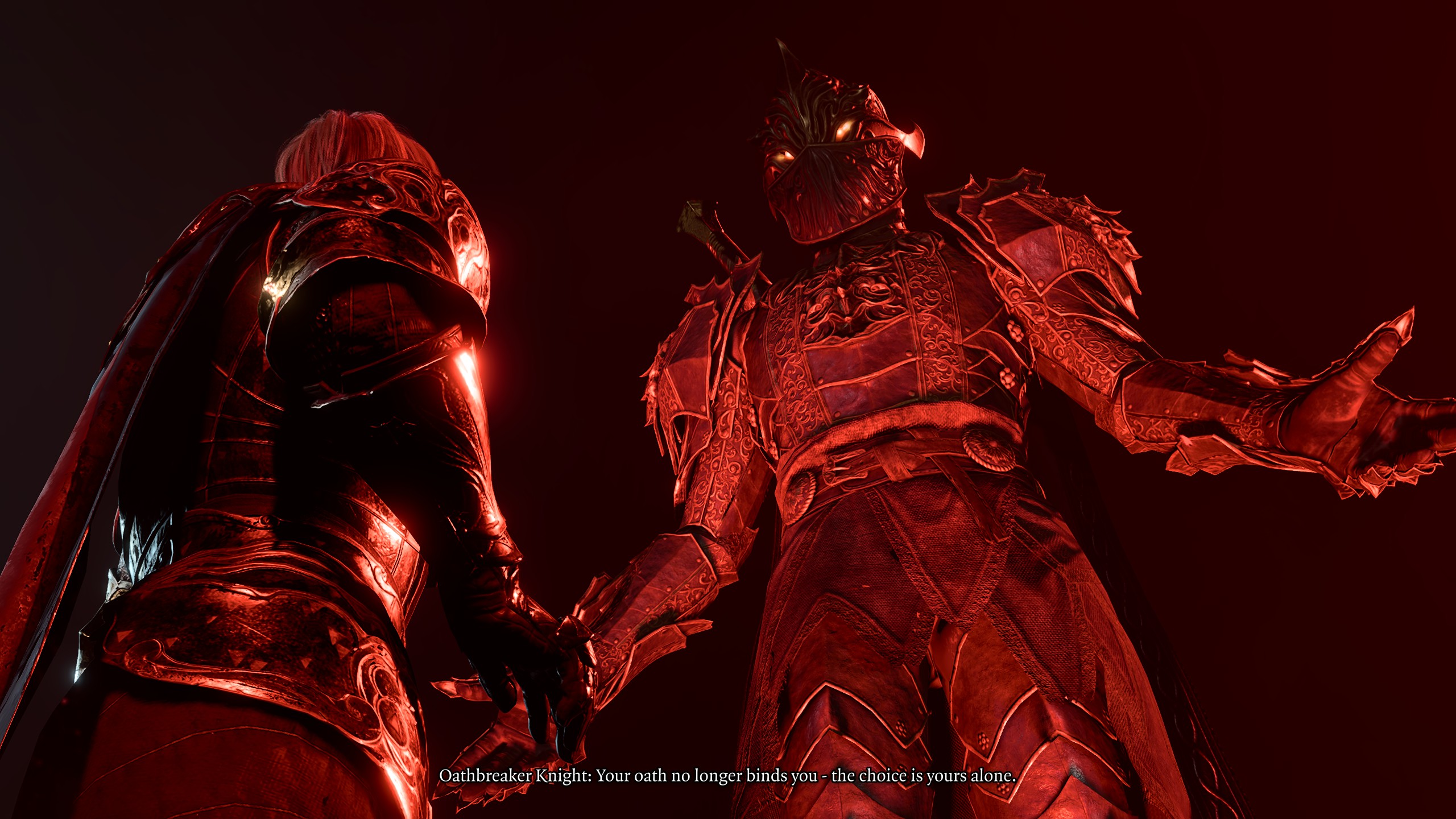
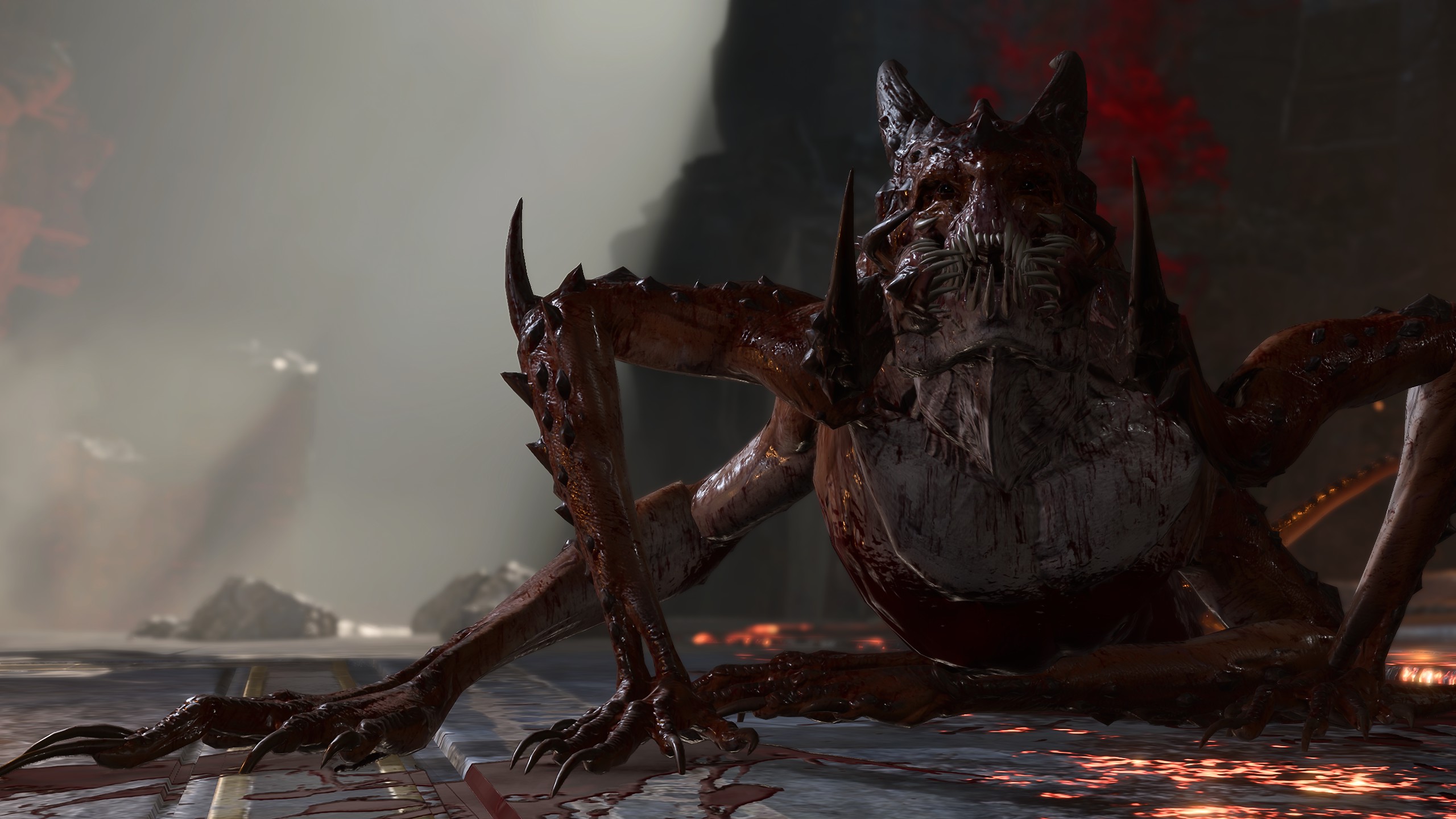
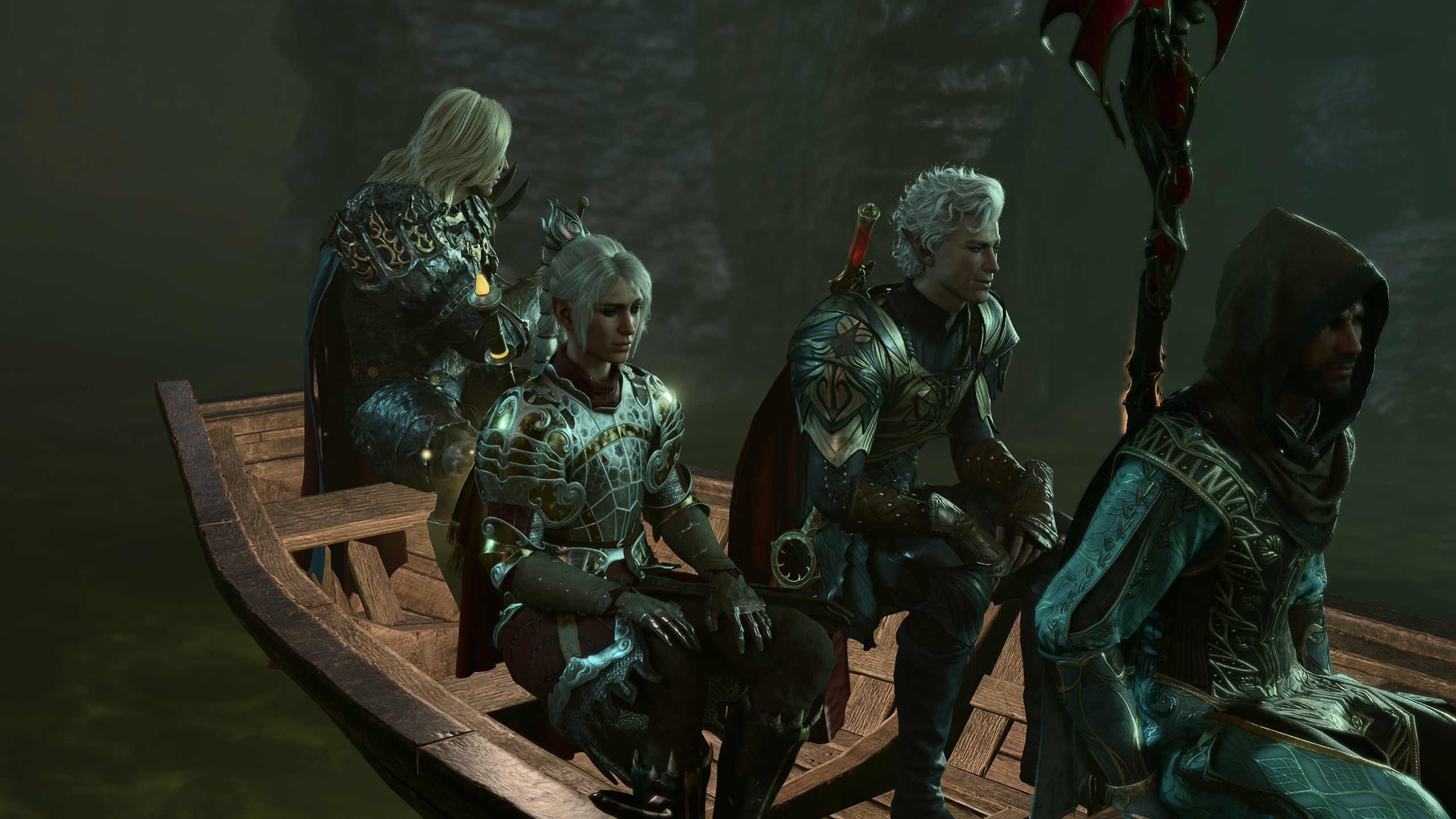
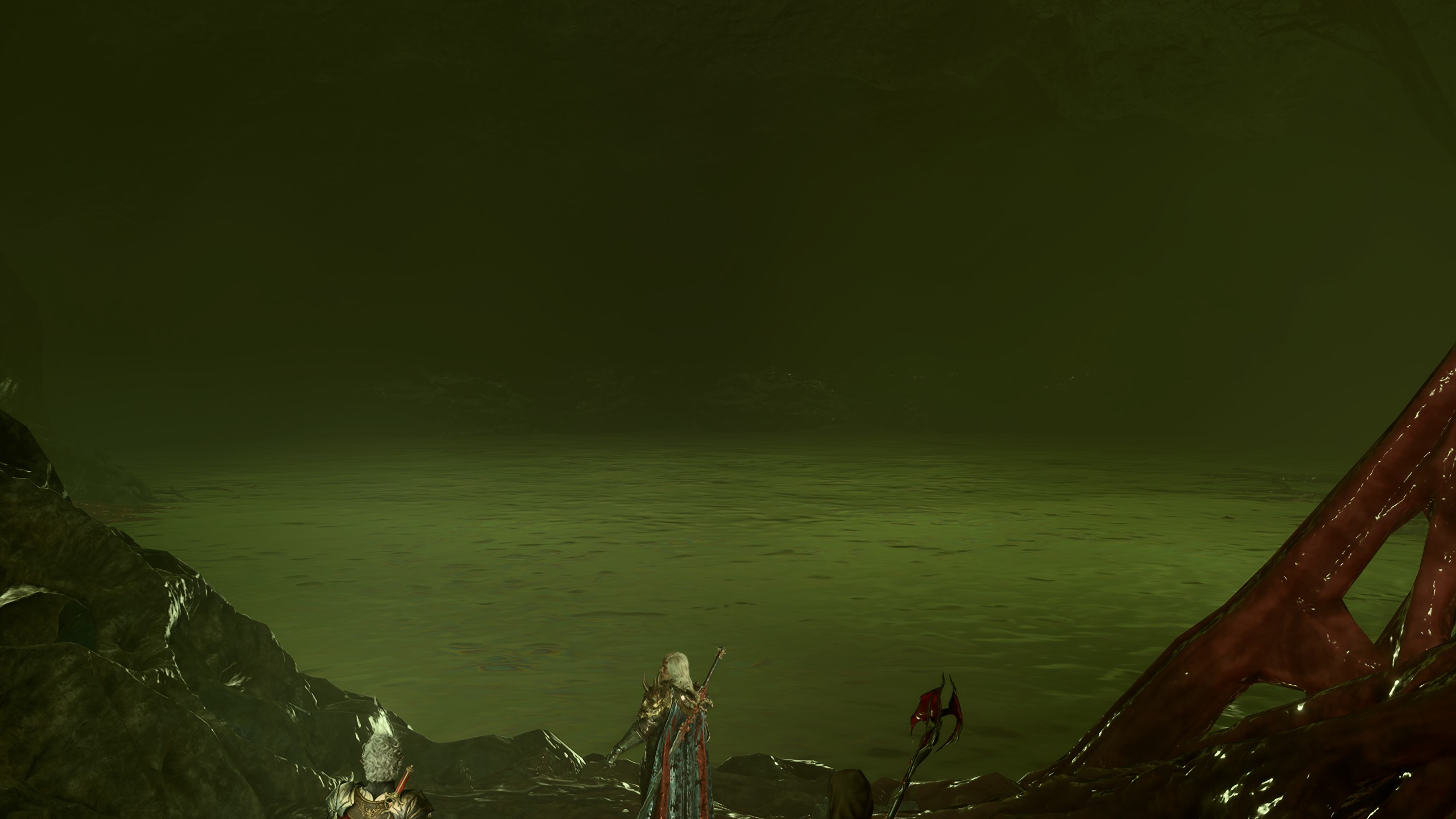

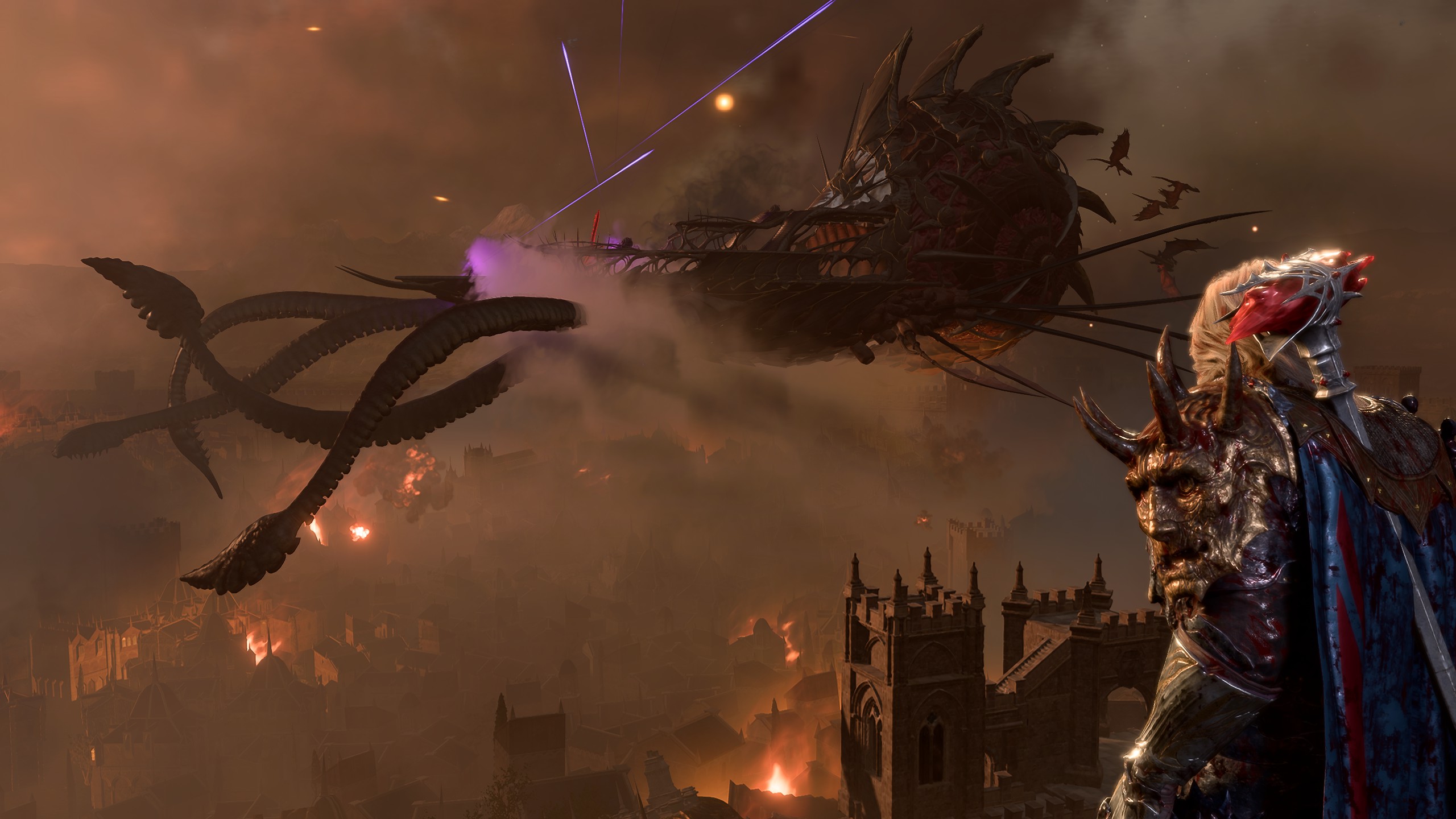
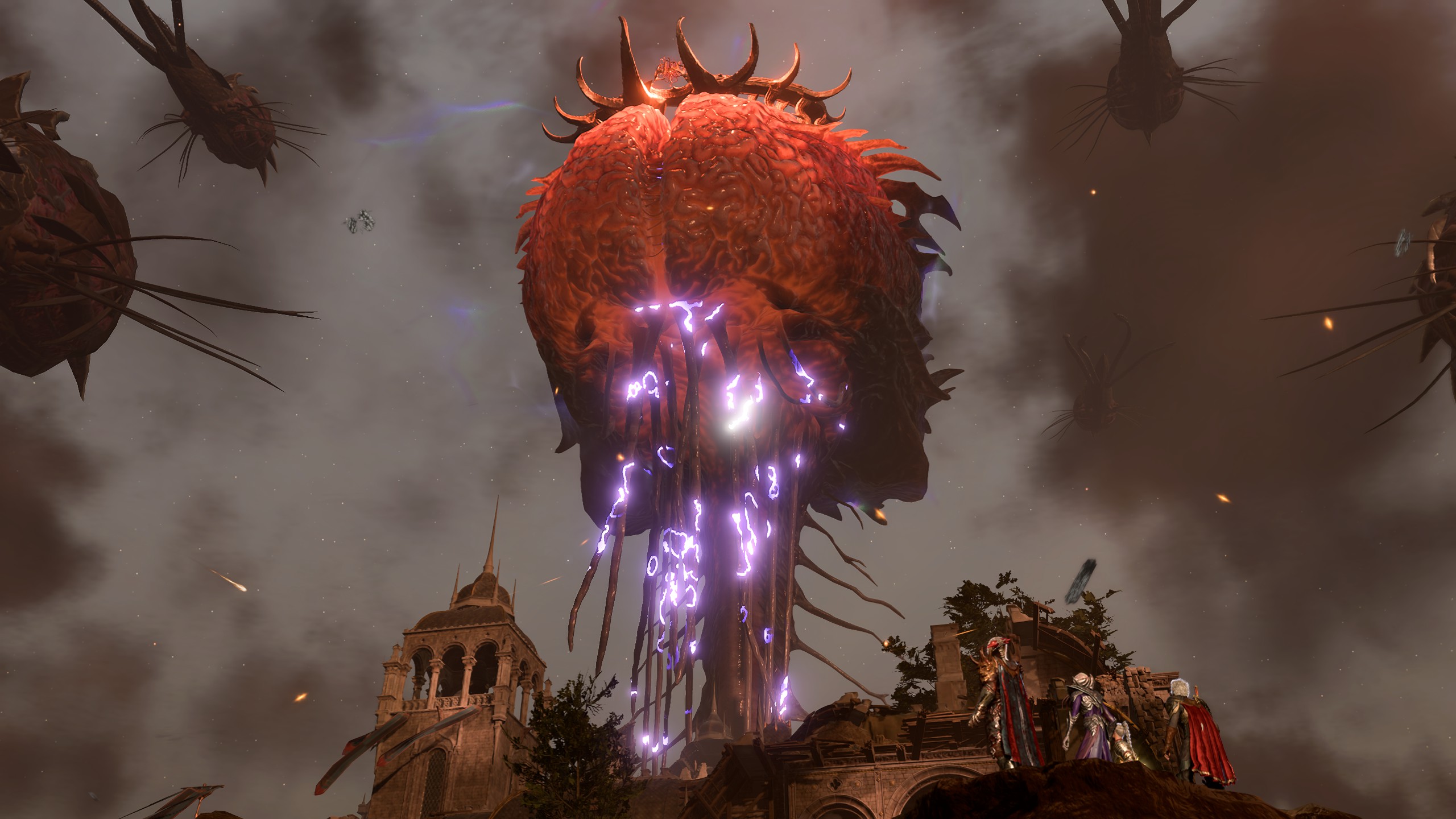
Cultural and racial diversity in the game world also stands out. Tieflings, githyanki, elves, dwarves, humans, and more coexist uneasily, each bringing their own histories, customs, and biases. These tensions manifest through side quests and dialogue, grounding the fantasy world in believable social dynamics. It feels like a living world rather than a static stage.
Even nature itself plays a role. Environments aren’t purely aesthetic—they’re tactical and narrative spaces. A crumbling bridge might become a deadly trap in combat, while a peaceful forest can hide dark secrets. The seamless blend of geography, politics, and lore creates a setting that’s both massive in scale and intimate in its storytelling.
Because of the game’s vastness, some areas can feel less fleshed out than others. A few zones act more as transitional spaces than as full story hubs. Additionally, the sheer amount of lore can be overwhelming for players unfamiliar with Dungeons & Dragons history—though the game does a good job of easing players in without requiring prior knowledge.
Few RPGs achieve this level of immersion. Every book, ruin, and piece of dialogue feels like part of a larger tapestry. The world doesn’t just serve the story—it is the story. Larian’s recreation of the Forgotten Realms is one of the finest examples of environmental and narrative worldbuilding in modern gaming.
Companion Characters
Companions are the emotional heart of Baldur’s Gate 3. Each one is fully realized, with distinct personalities, moral alignments, ambitions, and private traumas. They don’t merely follow you—they challenge, question, and grow alongside you.
From the moment you meet them, it’s clear that every companion is more than a sidekick. Astarion, the charming yet tormented vampire spawn, wrestles with his dark hunger and desire for freedom. Shadowheart, the mysterious cleric of Shar, conceals a tragic past and a crisis of faith that unfolds gradually through player choices. Gale, the erudite wizard, hides a literal ticking time bomb of magic within himself, while Lae’zel, the proud githyanki warrior, embodies conflict between loyalty, pride, and truth.
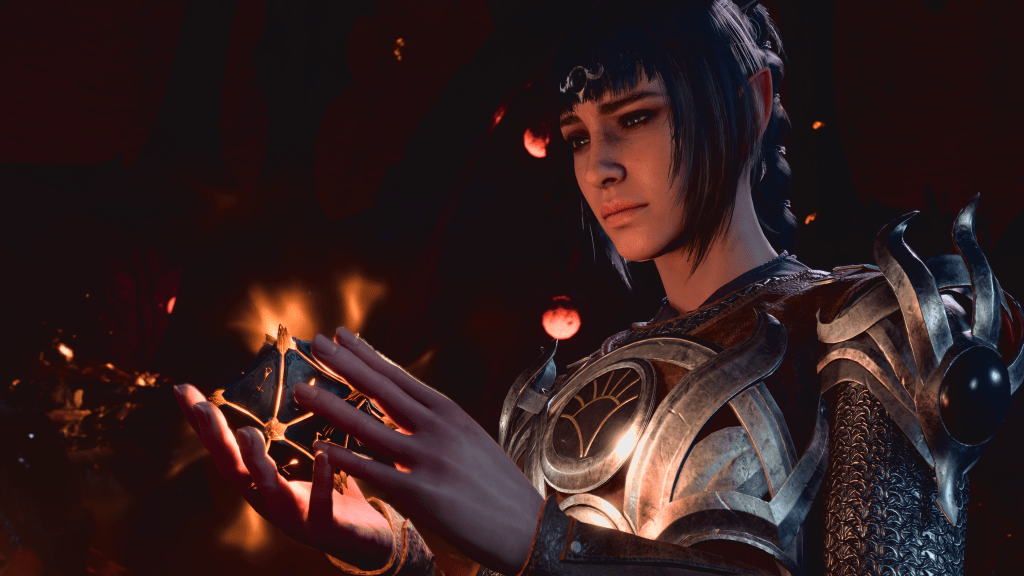
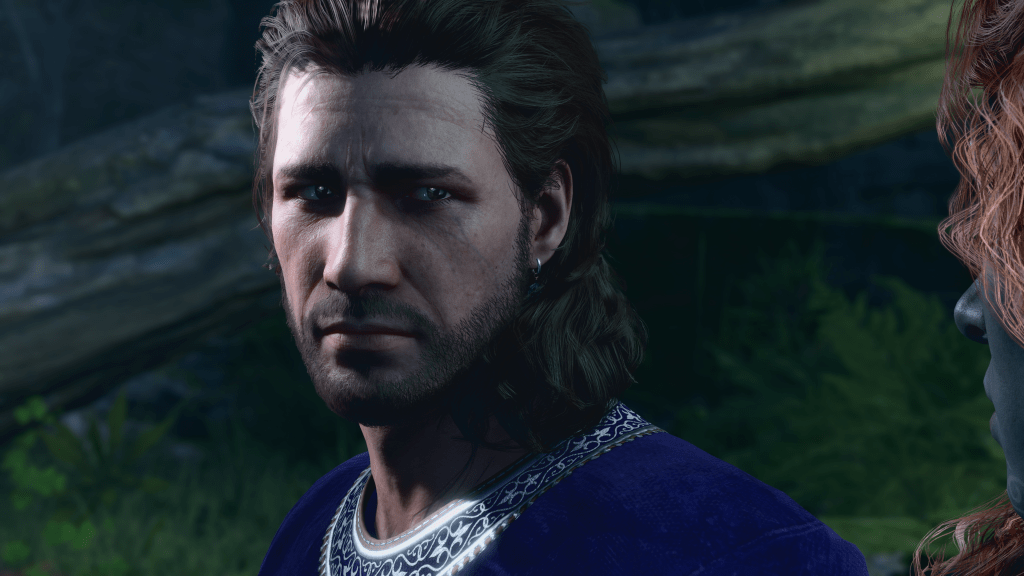
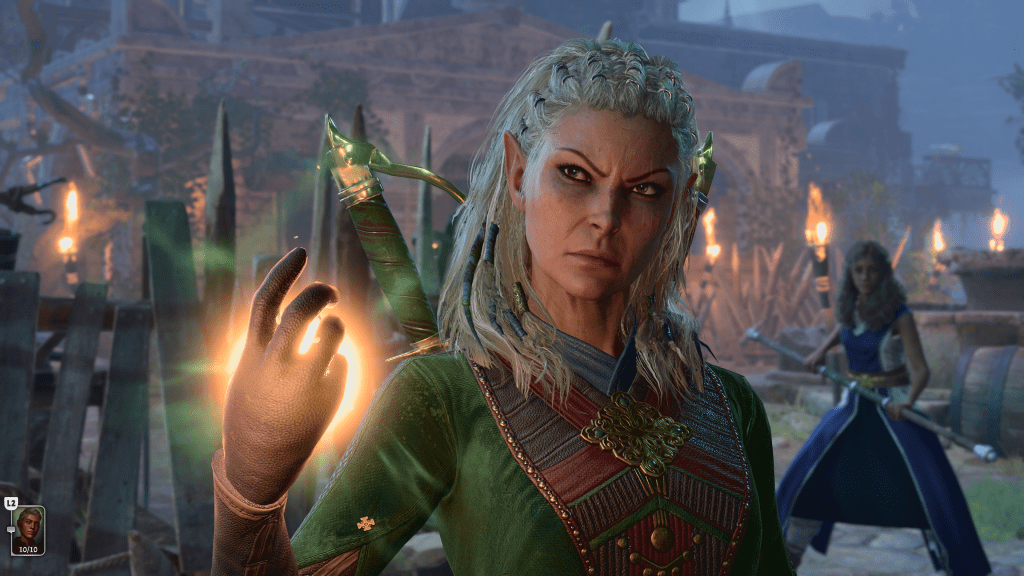

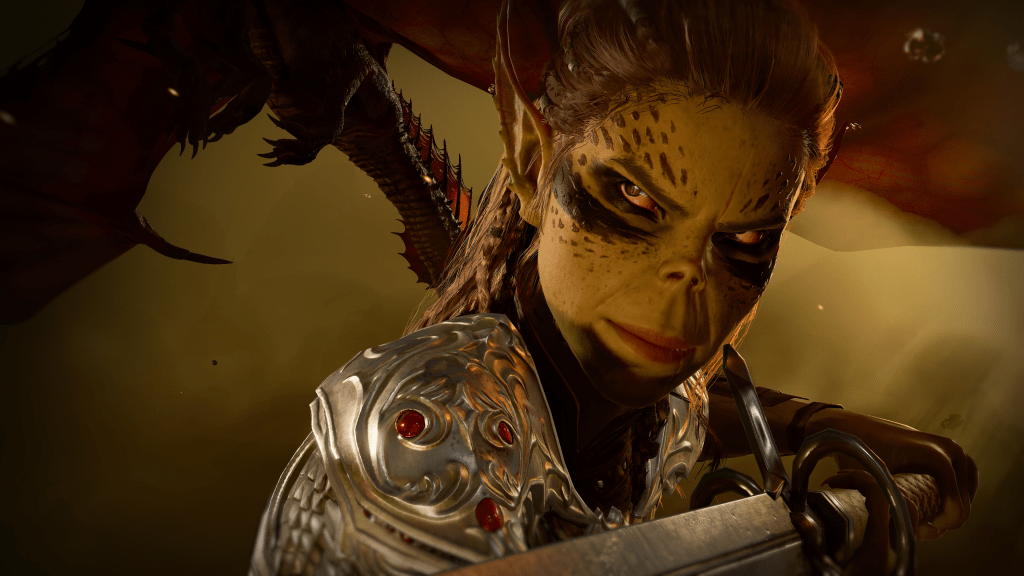
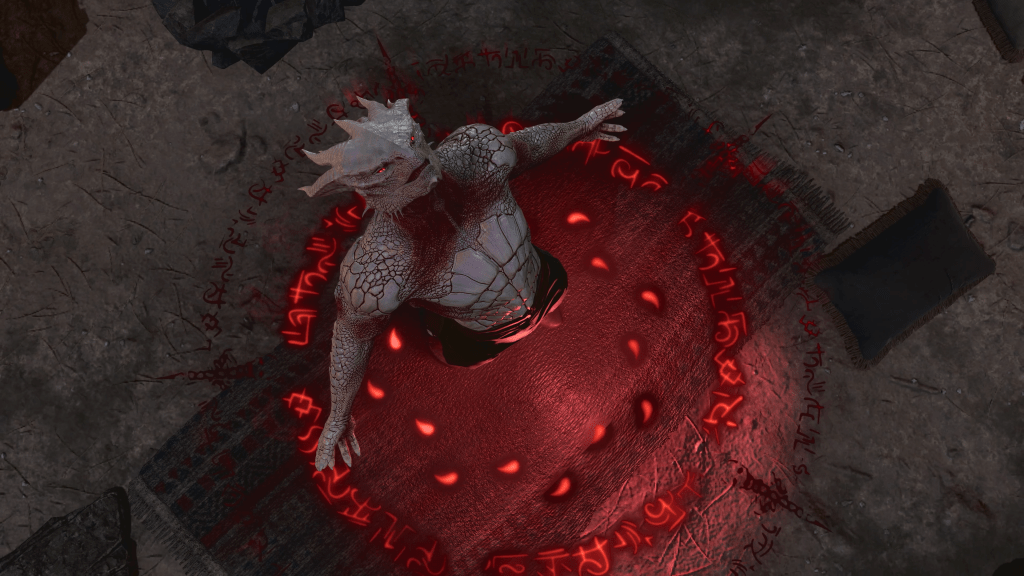
Their arcs are not static—they evolve based on your dialogue, morality, and decisions. Treat them with respect and empathy, and you’ll see them open up emotionally. Betray them or make morally conflicting choices, and relationships may break or turn adversarial. This makes them feel genuinely human (or at least sentient in their own species’ ways).
The camp system deepens these relationships. Conversations around the fire, romantic subplots, and moral debates happen organically, giving the game’s downtime emotional weight. These quiet moments create attachment and reflection, transforming your companions from NPCs into family—or rivals.
Beyond personality, companions are mechanically distinct. Each brings a unique set of abilities and tactical options in combat, reinforcing the bond between narrative and gameplay. Party composition becomes an extension of story—your allies’ strengths and weaknesses mirror their inner struggles.
Not all companion arcs feel equally developed by the game’s conclusion. Some storylines, particularly in the final act, resolve abruptly or lack the closure earlier acts promise. Additionally, certain romance paths can feel compressed given the game’s immense scope.
At times, companion AI can be finicky in combat, and managing their inventories or reactions can require micromanagement. These are minor issues, but noticeable in a game so otherwise polished.
The companion cast in Baldur’s Gate 3 sets a new gold standard for character writing in RPGs. They are complex, flawed, and vividly realized—each capable of evoking sympathy, frustration, or admiration. Their personal growth feels intimately tied to your own journey.
Few games manage to make players care about their party members the way Baldur’s Gate 3 does. They’re not just side characters; they’re mirrors reflecting every moral and emotional choice you make.
Replayability
Replay value is immense. With 12 classes, 46 subclasses, multiple origins, and a vast number of dialogue branches, no two playthroughs are the same. Choices you make early can drastically reshape the ending.
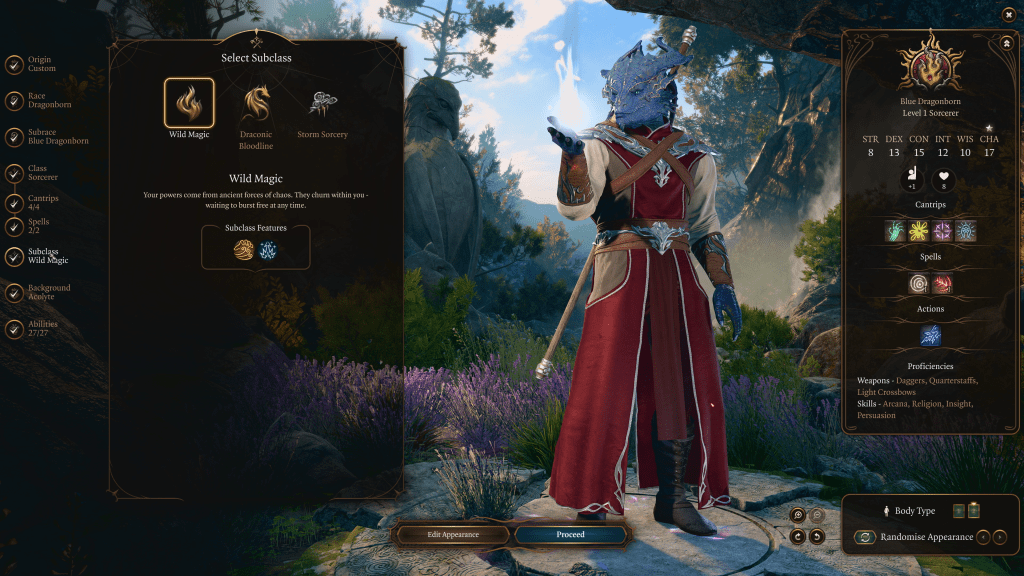
The game also supports cooperative multiplayer, letting friends experience the story together—either working as a team or pursuing entirely conflicting goals.
Because of its length and density, replaying the game is a serious time investment. A full run can easily exceed 100 hours. Some players may feel satisfied after one exhaustive playthrough.
For RPG fans, Baldur’s Gate 3 offers unmatched replay potential. It practically begs you to start again just to see what you missed.
Accessibility & User Experience
Baldur’s Gate 3 avoids microtransactions and paywalls—everything is included in the base purchase. Controls are remappable, difficulty settings flexible, and subtitle options comprehensive.
For experienced players, the UI is detailed and functional. Tooltips and contextual hints make even complex mechanics understandable with a bit of experimentation.
Newcomers to CRPGs may find the interface intimidating. Managing spells, equipment, and dialogue choices requires patience. There’s also limited accessibility for players with certain disabilities; more assistive options would be welcome.
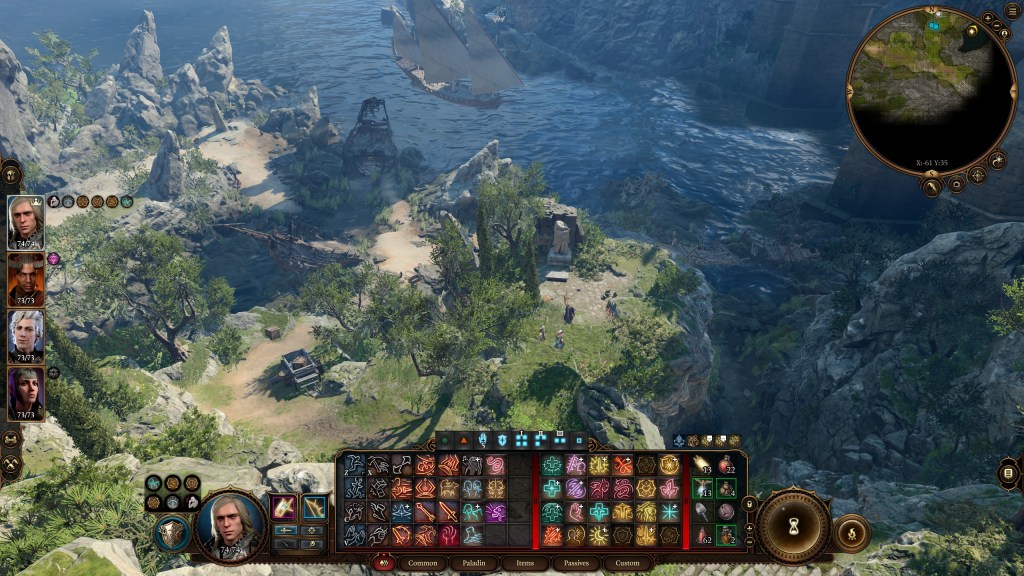
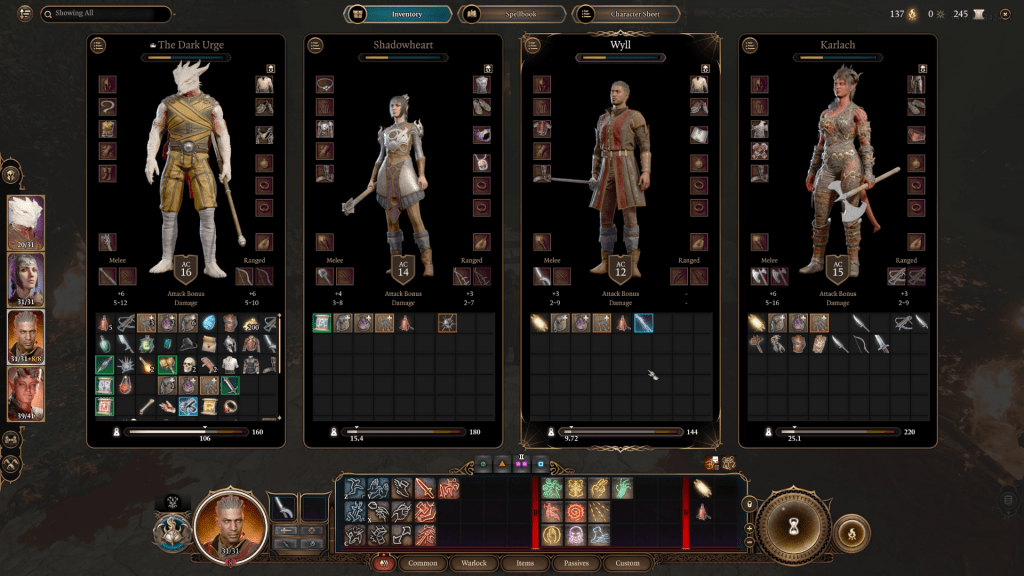
Once mastered, the systems feel second nature—but expect an adjustment period. It’s deep, not impenetrable, but definitely designed with seasoned RPG players in mind.
Community, Longevity & Post-Launch Support
The community surrounding Baldur’s Gate 3 is vibrant. Players share builds, mods, and creative playthroughs, keeping the game alive long after release. Larian has supported the title with numerous patches improving stability, performance, and balance.
Given its size and replayability, the game promises longevity. Even years after launch, it’s likely to remain a staple of RPG discussions.
As with any massive open-world RPG, occasional bugs and quest issues persist. Mod support on consoles is limited compared to PC, restricting some of the creativity found in the community.
Few games have this kind of staying power. Between updates, mods, and community enthusiasm, Baldur’s Gate 3 will endure for years.
Weaknesses & Considerations
While Baldur’s Gate 3 is extraordinary, it’s not flawless.
The learning curve is steep for newcomers, inventory and UI management can feel cumbersome. Pacing dips slightly in later acts, performance can fluctuate on lower-end hardware. Its tactical pacing may not appeal to fans of faster action-RPGs, however, these flaws are minor compared to the game’s achievements. It’s a masterpiece of design ambition and narrative depth.
Final Verdict
Baldur’s Gate 3 is a landmark achievement in role-playing games. It delivers near-unprecedented freedom, stellar writing, rich characters, and deep combat systems—all wrapped in AAA presentation. It’s a love letter to Dungeons & Dragons and to storytelling itself.
Final Rating: 9.5 / 10
If you enjoy narrative-driven RPGs, tactical systems, or just the freedom to shape your own story, Baldur’s Gate 3 isn’t just recommended—it’s essential. It’s one of the best RPGs ever made and a defining example of how player choice can drive storytelling.
 la discuții