


StarCraft II este mai mult decât un joc de strategie în timp real (RTS). Este o saga a războiului, o confruntare a ambițiilor personale și o luptă continuă ce cuprinde întreaga galaxie. Dezvoltat de Blizzard Entertainment și lansat în 2010, StarCraft II urmărește povestea a trei facțiuni majore: Terran, Protoss și Zerg. Jocul este împărțit în trei campanii, fiecare dedicată unei facțiuni: Wings of Liberty (Terran), Heart of the Swarm (Zerg) și Legacy of the Void (Protoss). Dincolo de narativul său bogat în modul single-player, StarCraft II a definit competitivitatea în cadrul sporturilor electronice timp de mai mult de un deceniu. În această recenzie, vom explora povestea jocului, dezvoltarea personajelor și impactul său monumental asupra jocurilor competitive. Recenzia va continua în limba engleză.
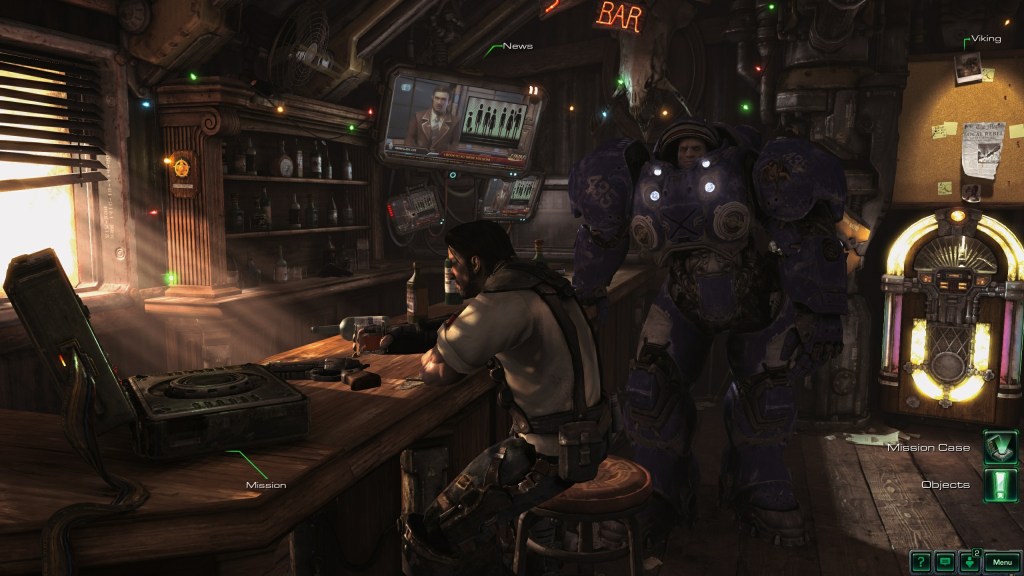
Wings of Liberty: Jim Raynor’s Fight for Freedom
The first chapter of „StarCraft II” follows Jim Raynor, a rebel leader fighting against the corrupt Terran Dominion, led by Emperor Arcturus Mengsk. Raynor’s story is one of redemption, haunted by past failures — especially his role in the rise of Mengsk. His motivations become more personal when Sarah Kerrigan, his former love interest, resurfaces as the Queen of Blades, leader of the Zerg Swarm.
Raynor’s campaign is an emotional rollercoaster, balancing military operations against Mengsk while dealing with his lingering feelings for Kerrigan. The choices made throughout the campaign shape the narrative, culminating in the retrieval of the Xel’Naga artifact — a powerful relic capable of purging Kerrigan of her Zerg transformation. The final moment, where Raynor carries a human-again Kerrigan in his arms, is one of the most poignant in the series.
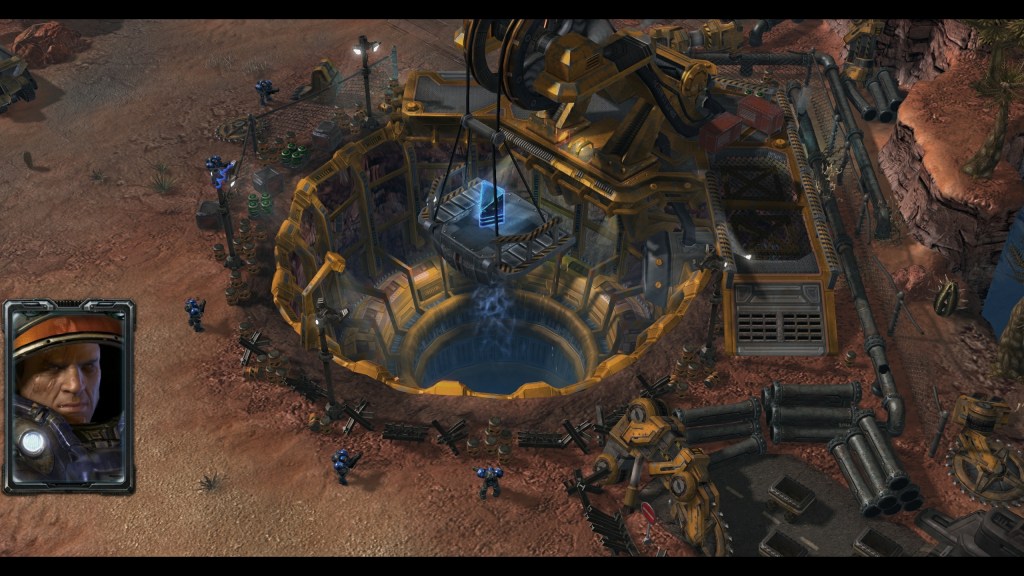
Raynor’s journey is marked by a supporting cast of memorable characters, including Tychus Findlay, an old friend whose loyalty is constantly in question, and Matt Horner, Raynor’s steadfast second-in-command. Tychus’ arc is particularly tragic, as he is revealed to be a pawn of Mengsk, forced into a situation where he must betray Raynor in order to survive. The moment Raynor is forced to pull the trigger on his old friend is one of the game’s most heartbreaking scenes.
Beyond Raynor’s core mission, players are given a variety of optional side missions that flesh out the world of „StarCraft II.” From dealing with Zerg-infested colonies to exploring ancient Xel’Naga ruins, these missions provide additional lore and insight into the universe. The dynamic storytelling and mission variety keep „Wings of Liberty” engaging from start to finish.
Heart of the Swarm: Kerrigan’s Vengeance
„Heart of the Swarm” shifts the perspective to Sarah Kerrigan, now free from her Zerg form but still consumed by rage against Mengsk. She gradually regains control over the Swarm, wrestling with her humanity and the monstrous instincts embedded in her. The campaign explores themes of revenge, identity, and power.
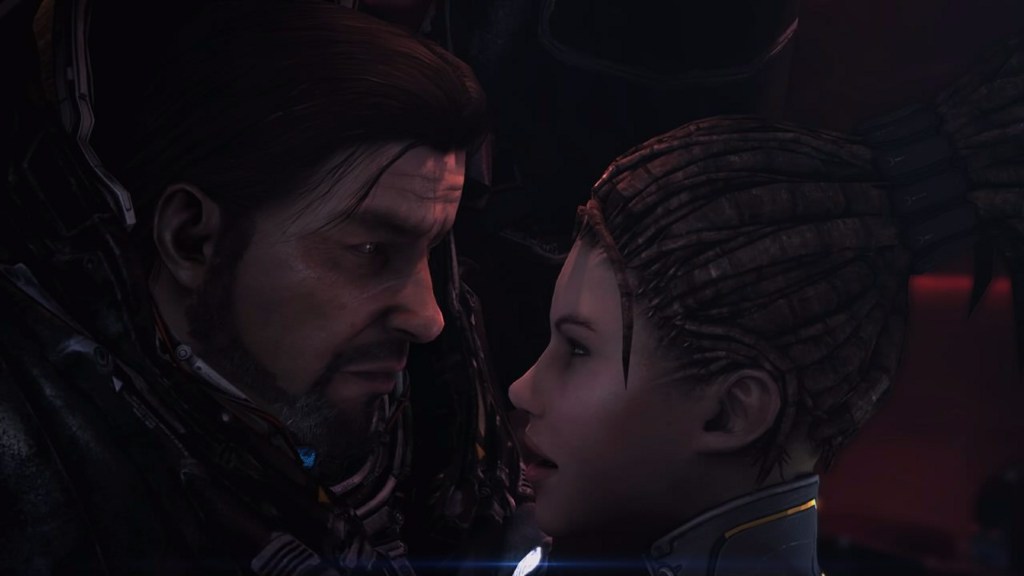
Kerrigan’s arc is tragic yet empowering. As she reforges the Swarm, she is torn between her past with Raynor and her duty as the leader of an unstoppable force. When she believes Raynor is dead, her descent into darkness is near complete. The final confrontation with Mengsk is an emotionally charged moment, with Kerrigan delivering a poetic and brutal end to her tormentor.
Throughout this journey, Kerrigan forms uneasy alliances with Zerg leaders like Abathur, the twisted geneticist who constantly pushes her toward greater evolution, and Zagara, a Zerg broodmother who challenges Kerrigan’s authority before ultimately becoming a loyal general. These dynamics add depth to Kerrigan’s transformation from a vengeful warrior to a leader who must wield her power responsibly.
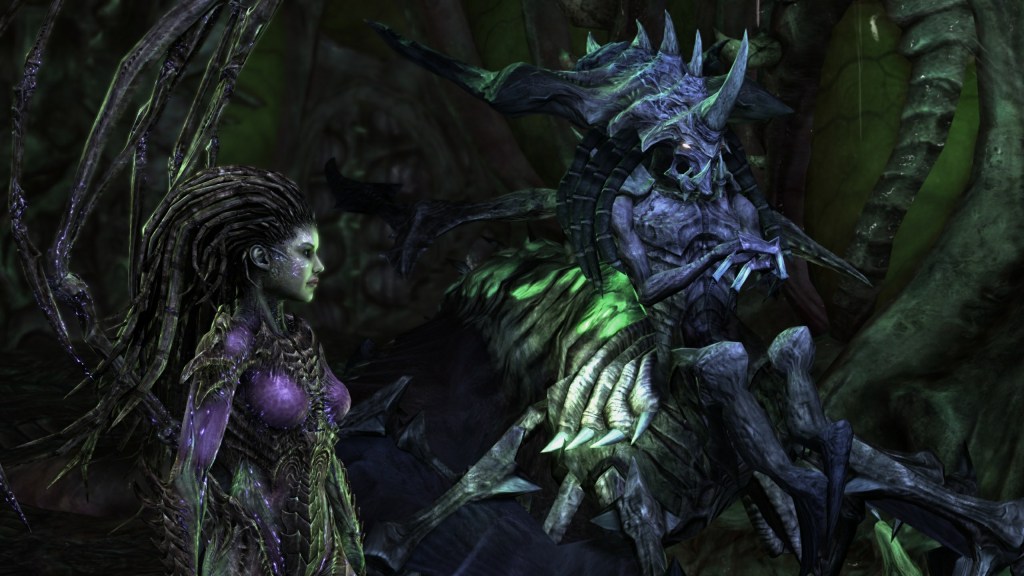
Kerrigan’s unique abilities in „Heart of the Swarm” add an extra layer of strategy to the gameplay. As players progress, they can evolve her powers, choosing between different upgrades that shape her combat effectiveness. This mechanic not only enhances the gameplay but also reflects Kerrigan’s growth throughout the campaign.
Legacy of the Void: The Protoss’ Final Stand
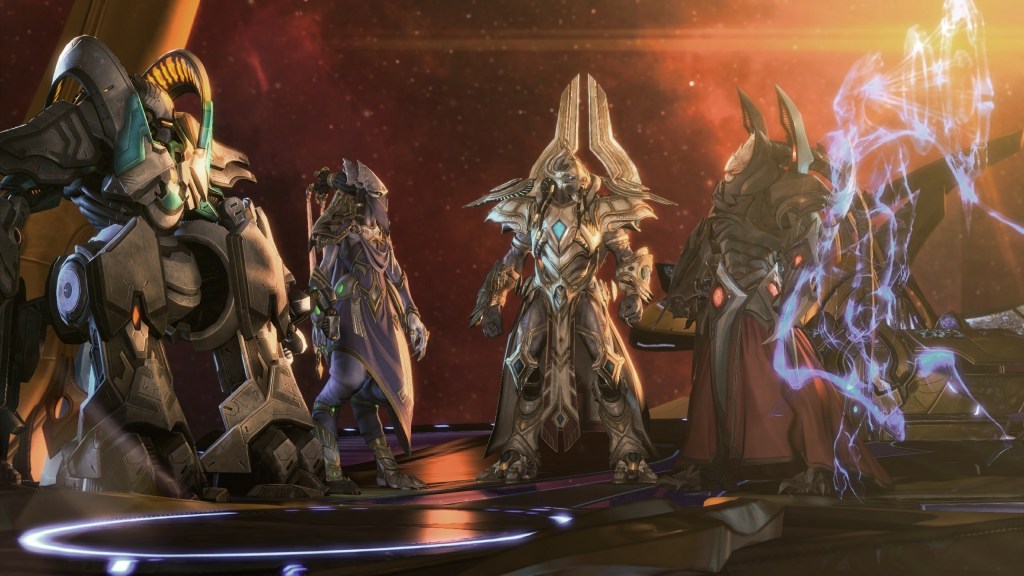
The third campaign, „Legacy of the Void,” follows Artanis, the leader of the Protoss, as he attempts to reclaim his homeworld of Aiur and confronts Amon, an ancient Xel’Naga god seeking to bring the galaxy to ruin. This chapter of the story explores themes of unity, sacrifice, and destiny.

Artanis’ character arc is one of leadership and wisdom. He learns to balance the old ways of his people with the need for evolution and adaptation. The climax of the game sees the unlikely alliance of Terrans, Zerg, and Protoss in a final battle against Amon. With his defeat, the galaxy enters a new era, but at great cost.
The Protoss campaign introduces several compelling characters, including Rohana, a conservative Protoss elder who constantly reminds Artanis of their past traditions, and Alarak, a ruthless and charismatic Dark Templar leader who helps Artanis but always has his own agenda. Their interactions highlight the internal struggles of the Protoss, torn between rigid traditions and the need for change.
„Legacy of the Void” also offers a unique cooperative mode, known as Co-op Commanders, where players take on the roles of various StarCraft characters with unique playstyles. This mode has extended the longevity of StarCraft II, offering players a fresh way to experience the game beyond the campaign and competitive modes.
Interface and Mission Hubs
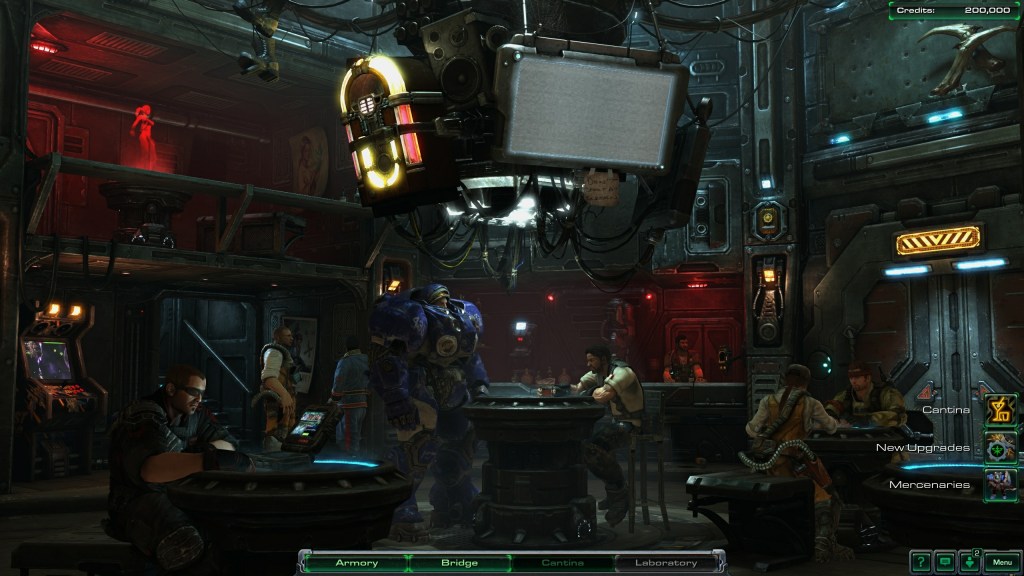
One of „StarCraft II’s” standout features is its intuitive and immersive interface. Between missions, players interact with mission hubs that serve as central command centers.
In Wings of Liberty, Raynor’s command ship, the Hyperion, functions as a hub where players can explore different rooms, interact with characters, upgrade units, and select missions. This hub system adds depth by allowing players to witness character interactions, listen to news broadcasts that provide world-building details, and make moral choices that affect the campaign.
Heart of the Swarm shifts this concept to a more organic setting — the Zerg Leviathan. Kerrigan interacts with creatures like Abathur, who provides biological upgrades, and Izsha, who serves as her tactical advisor. The interface reflects the Zerg’s nature, feeling more fluid and alien.
Legacy of the Void introduces the Spear of Adun, a Protoss warship that serves as Artanis’ base. Players unlock and customize powerful orbital abilities that influence missions, adding a strategic layer to the game. The Protoss hub emphasizes technological prowess and discipline, aligning perfectly with the faction’s identity.
These mission hubs enhance the narrative experience by making the world feel more alive, ensuring that each campaign has a distinct identity beyond just its story and gameplay.
The Impact of StarCraft II on Gaming and Esports
„StarCraft II” has had a profound impact on the gaming industry and esports as a whole. Upon release, it quickly became one of the most played competitive games, particularly in South Korea, where professional StarCraft was already a phenomenon. Blizzard supported the scene with major tournaments like the Global StarCraft II League (GSL) and the World Championship Series (WCS), which attracted top talent from around the world.
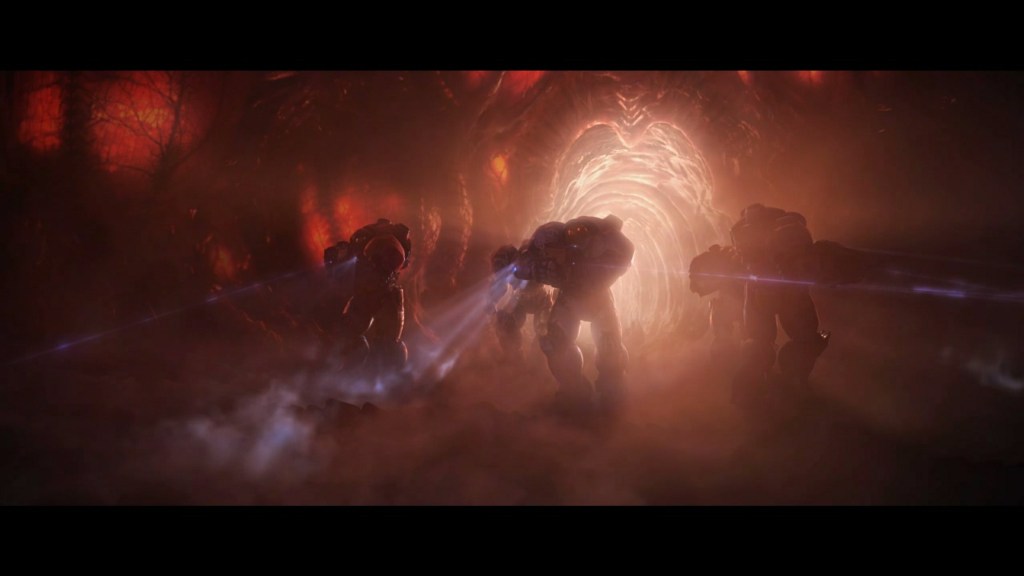
Throughout its lifespan, „StarCraft II” helped legitimize esports as a global industry. It was among the first games to feature professional players with sponsorships, international leagues, and massive prize pools. Players like Lee „Life” Seung Hyun, Jang „MC” Min Chul, and Eo „soO” Yoon Su became household names within the gaming community, proving that esports could be a viable career path.
The game’s evolution over the years saw constant balance changes to ensure fair competition. Blizzard introduced expansions that refined gameplay mechanics, addressed player feedback, and maintained the game’s competitive integrity. Even as MOBAs and battle royales rose in popularity, „StarCraft II” retained a dedicated player base, proving the staying power of a well-crafted RTS.
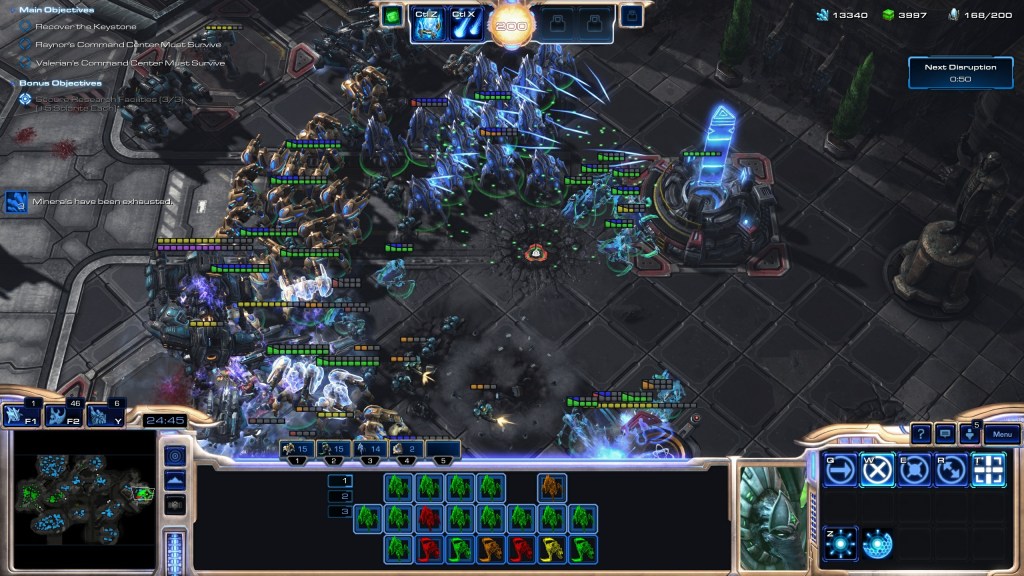
With Blizzard’s eventual decision to make „StarCraft II” free-to-play, the game gained renewed interest from both casual players and aspiring professionals. Although its prominence in esports has waned in recent years, its influence remains undeniable. Many aspects of modern esports infrastructure, such as structured leagues, official broadcasts, and extensive player analytics, were pioneered during „StarCraft II’s” peak competitive years.
Final Verdict
StarCraft II remains a masterpiece of storytelling, character development, and competitive gameplay, leaving an indelible mark on gaming history. Few games manage to strike such a balance between a gripping narrative and an ever-evolving competitive scene. The game’s rich lore, engaging campaigns, and finely tuned mechanics ensure that it will be remembered as one of the greatest RTS games ever created.
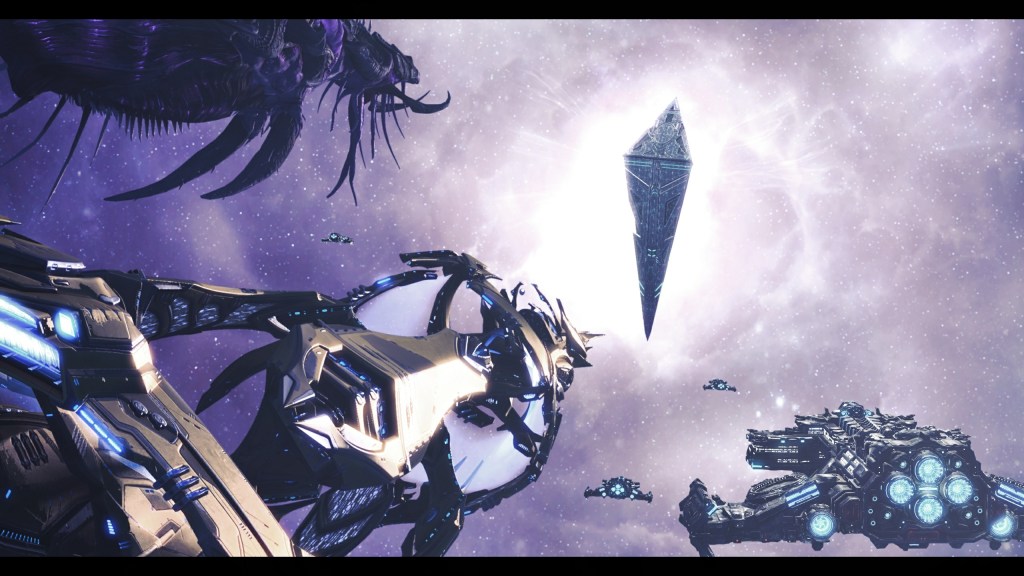
From the emotional highs and lows of its protagonists to the intense, strategic battles that have enthralled players for over a decade, StarCraft II offers an experience that is both immersive and endlessly replayable. While the RTS genre may have declined in mainstream popularity, the legacy of „StarCraft II” endures, influencing game design, esports culture, and player expectations for years to come.
With its compelling single-player campaigns, refined mechanics, and unparalleled competitive depth, StarCraft II earns a score of 9.5/10 — a near-perfect experience that stands as a testament to the brilliance of Blizzard Entertainment at its peak.
 la discuții