

Diablo IV, dezvoltat de Blizzard Entertainment, este o revenire de succes în seria ARPG, care oferă un amestec magistral de atmosferă gotică, gameplay inovator și o narațiune captivantă. Lansat în iunie 2023, nu doar că a redefinit așteptările pentru serie, dar a stabilit și noi standarde pentru întregul gen. Această recenzie analizează în profunzime aspectele care fac din Diablo IV un titlu de referință, de la poveste și gameplay la expansiuni și impactul asupra comunității. Restul recenziei se va desfășura în limba engleză.
Narrative and Atmosphere
The story of Diablo IV centers on the resurrection of Lilith, the Daughter of Hatred, who seeks to reshape Sanctuary in her image. Her motivations are complex, presenting a morally gray antagonist whose goals blur the lines between salvation and damnation. This nuanced storytelling is a hallmark of the game, moving away from the binary good-vs-evil narrative of its predecessors.
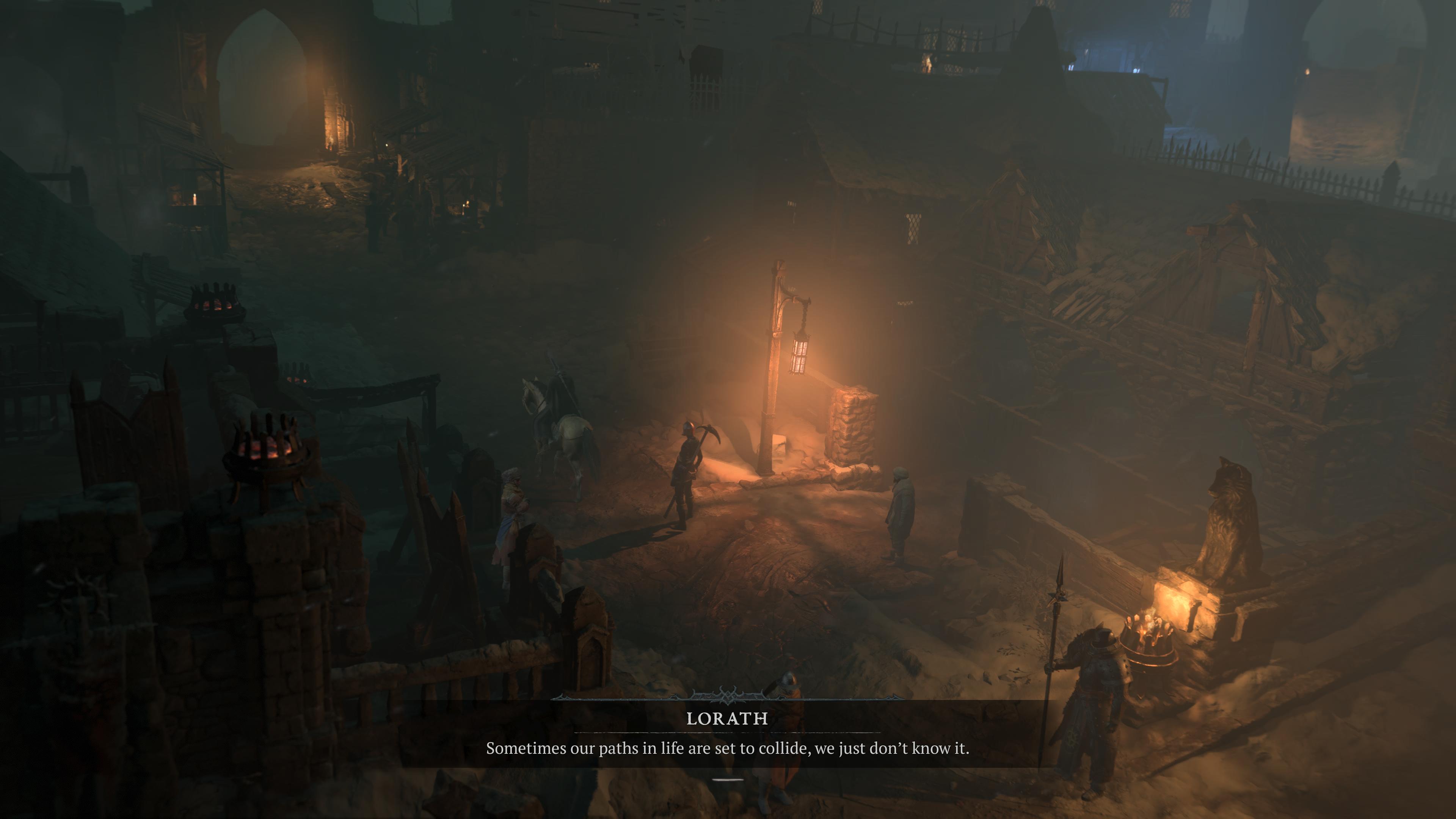
Sanctuary itself is a character in its own right. The game’s world is divided into five distinct regions:
• Fractured Peaks: Snowy and desolate, evoking a sense of isolation and danger.
• Scosglen: A lush yet foreboding region rife with druidic magic and dark secrets.
• Dry Steppes: Harsh and arid, populated by desperate survivors and marauders.
• Hawezar: A swampy, disease-ridden land teeming with witches and poison.
• Kehjistan: A desert region steeped in ancient lore and the ruins of once-great civilizations.
Each region is meticulously crafted, with distinct aesthetics, enemy types, and environmental storytelling. The art team’s attention to detail creates a world that feels alive, oppressive, and steeped in history.
Core Gameplay Mechanics
Combat System
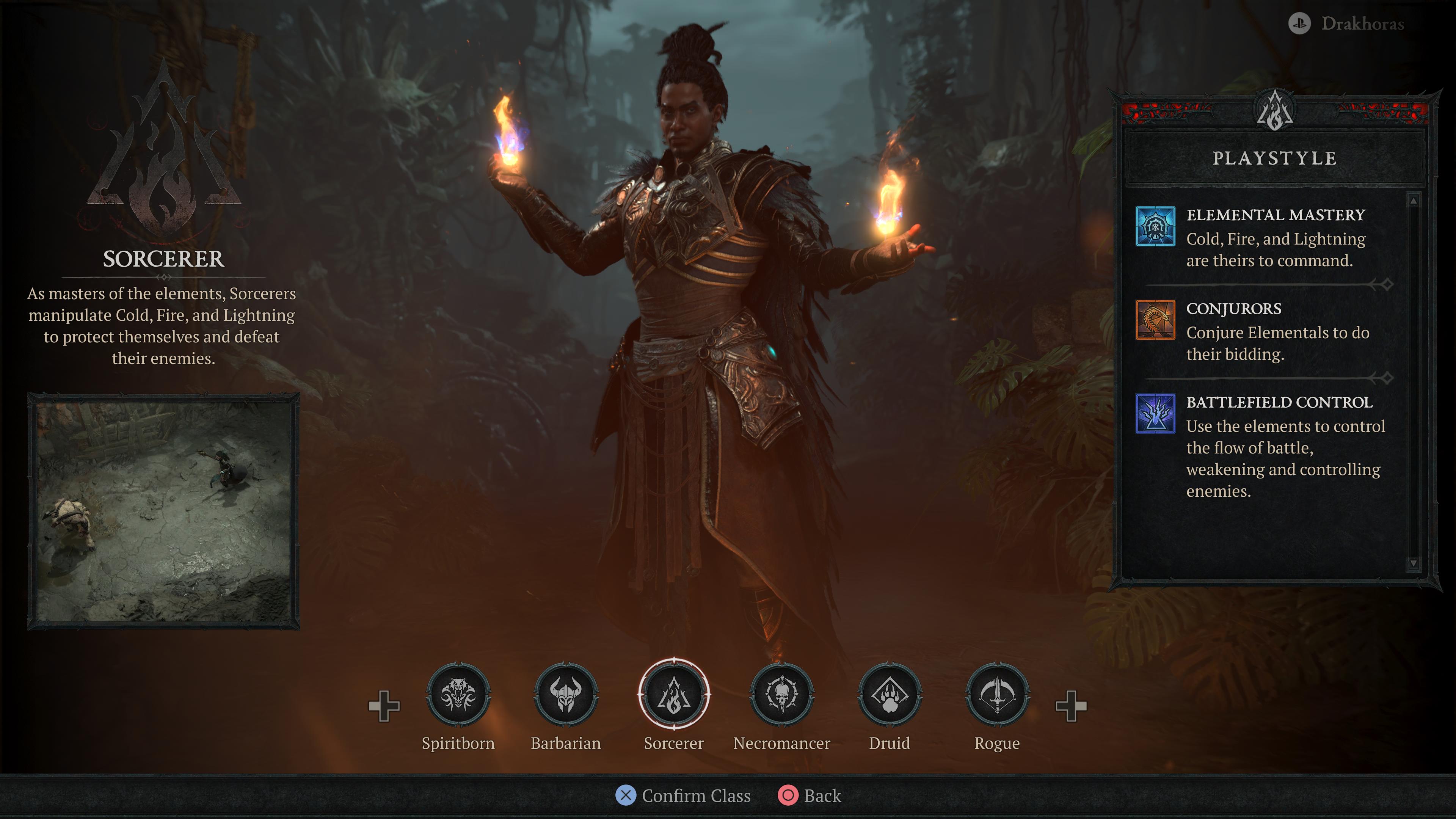
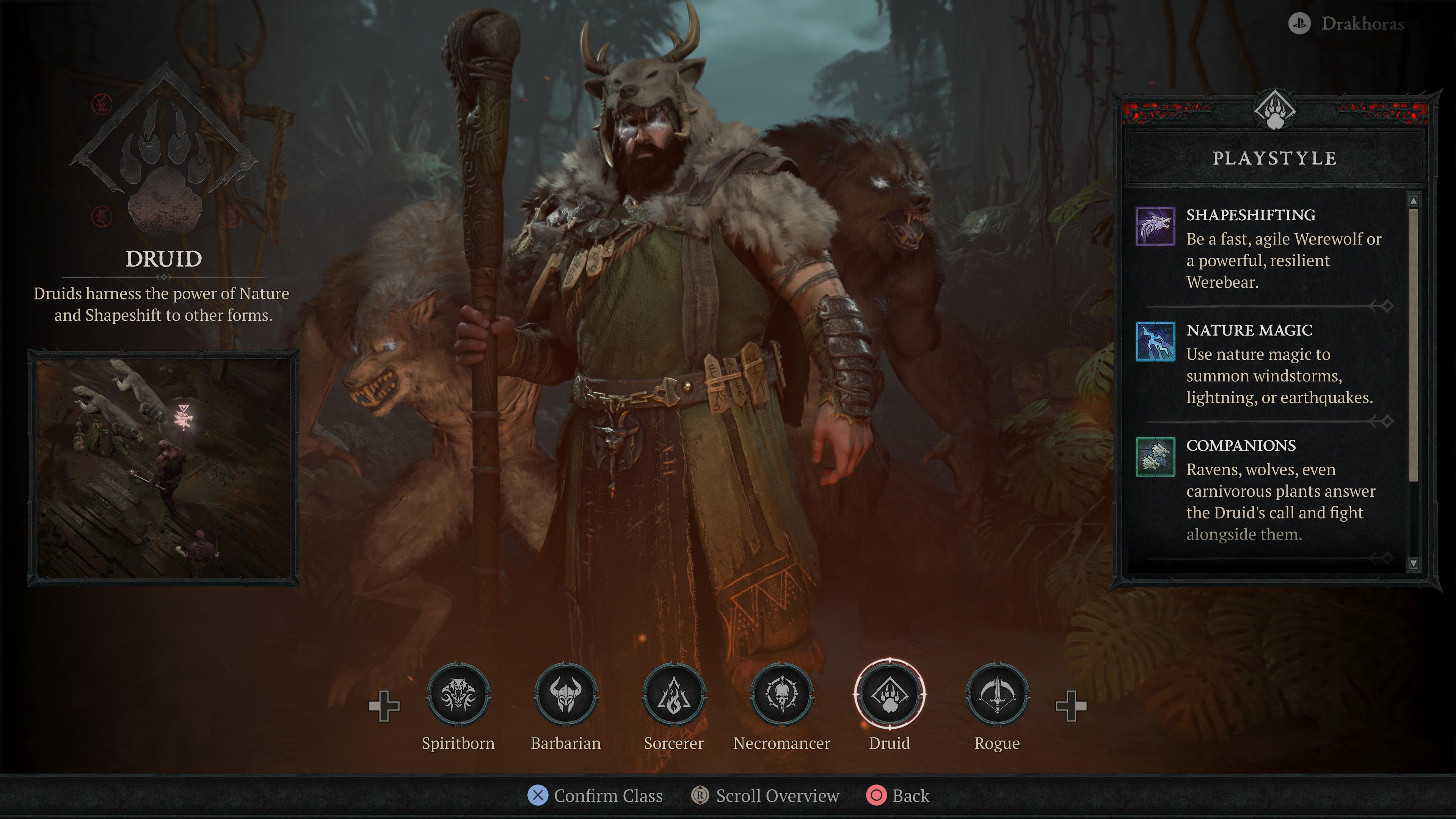
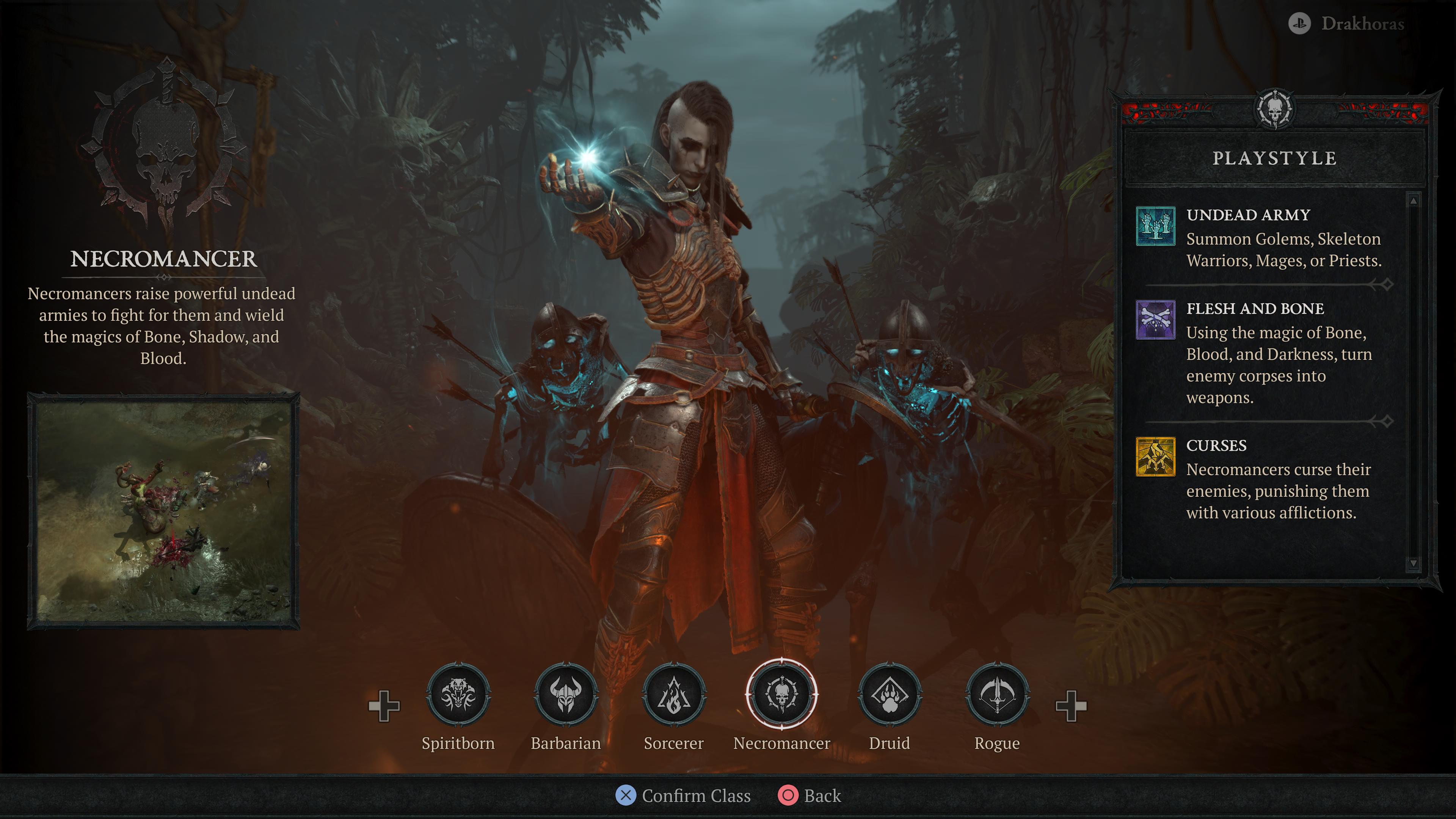
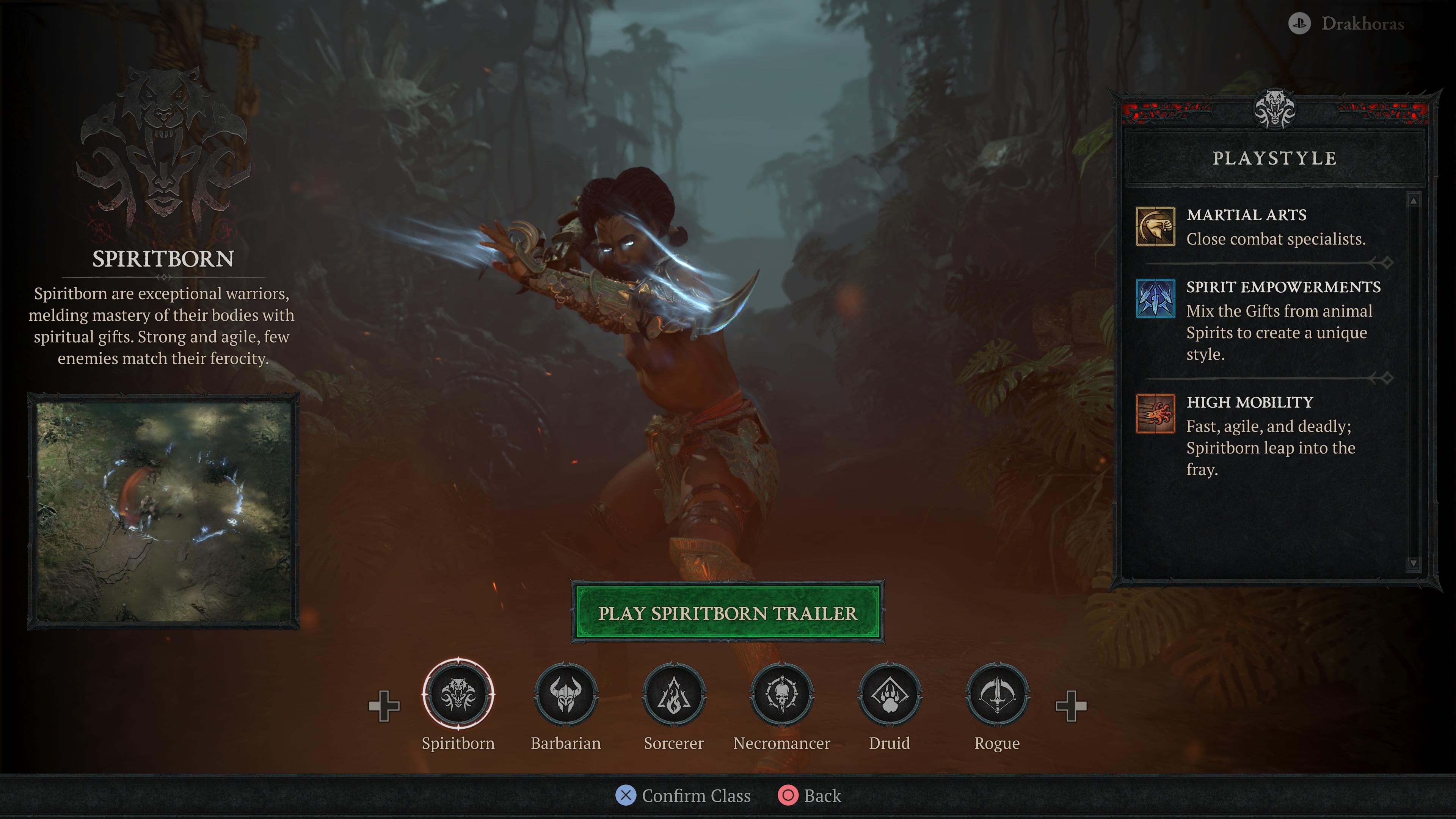
The combat in Diablo IV is visceral and fluid, maintaining the franchise’s trademark action-packed gameplay while introducing new layers of complexity. Each of the five initial classes offers a unique playstyle:
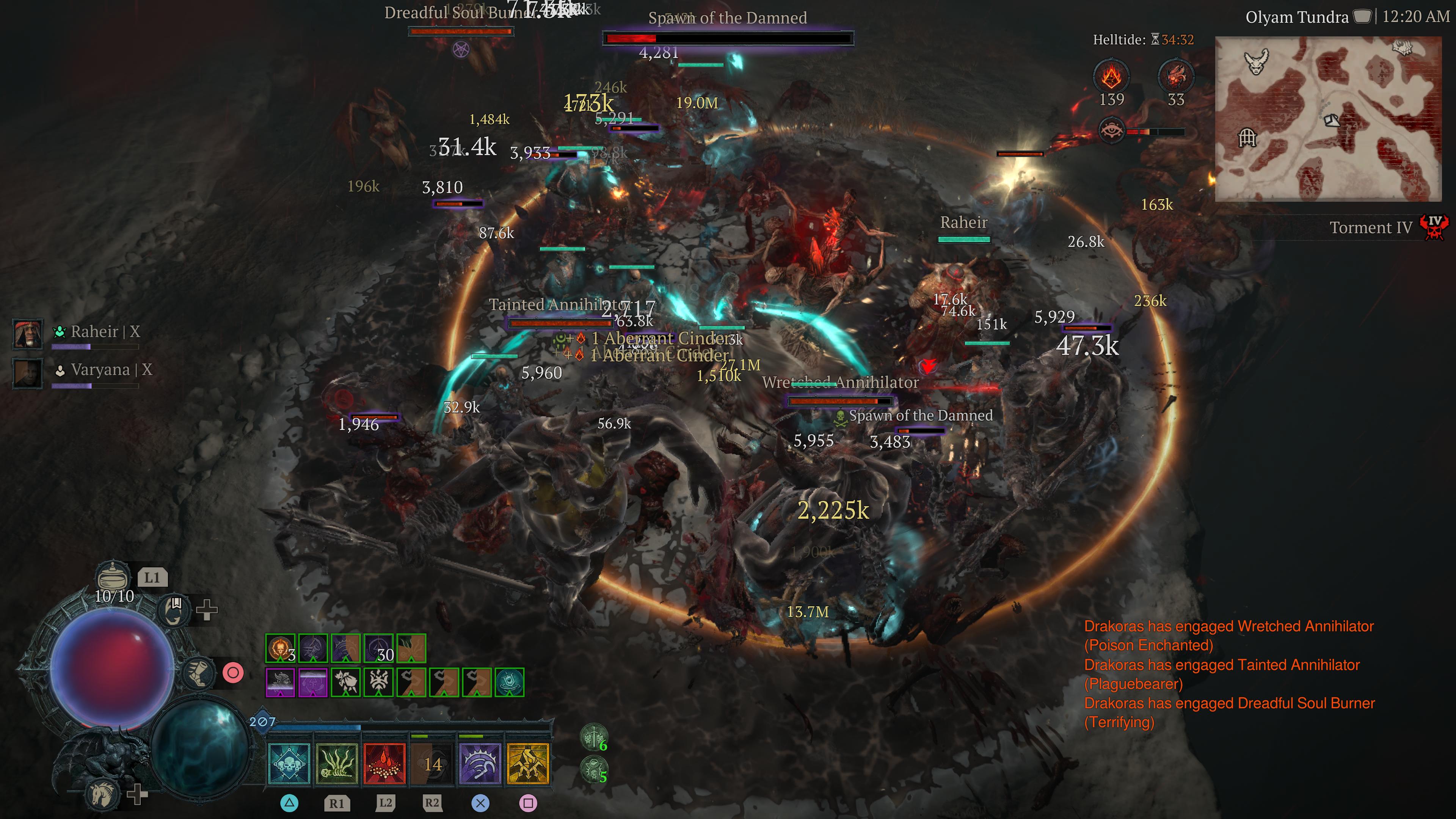
• Barbarian: A melee powerhouse with the unique Arsenal system, allowing the use of multiple weapon types. Barbarians excel at dealing massive physical damage and have incredible survivability through shouts and defensive skills.
• Sorcerer: A master of elemental magic, capable of unleashing devastating fire, ice, and lightning spells. Sorcerers excel in area-of-effect (AoE) damage and crowd control but require careful positioning due to their fragility.
• Rogue: A versatile class that can specialize in both ranged and melee combat. Rogues are highly mobile and excel in precision attacks, traps, and poisons, making them ideal for players who prefer tactical gameplay.
• Druid: A shapeshifter who commands nature’s wrath, seamlessly switching between forms like a bear or wolf. Druids also wield powerful storm and earth magic and can summon companions such as wolves and vines to aid them in battle.
• Necromancer: A summoner and dark magic user, controlling armies of the undead. Necromancers can specialize in bone, blood, or shadow magic and offer a mix of high damage and utility, with an emphasis on minion-based gameplay.
• Spiritborn: Introduced in the Vessel of Hatred expansion, this hybrid class draws power from the Spirit Realm, blending physical and magical abilities. Spiritborns excel in versatility, capable of summoning spectral allies, wielding ethereal weapons, and manipulating enemy spirits to gain tactical advantages.
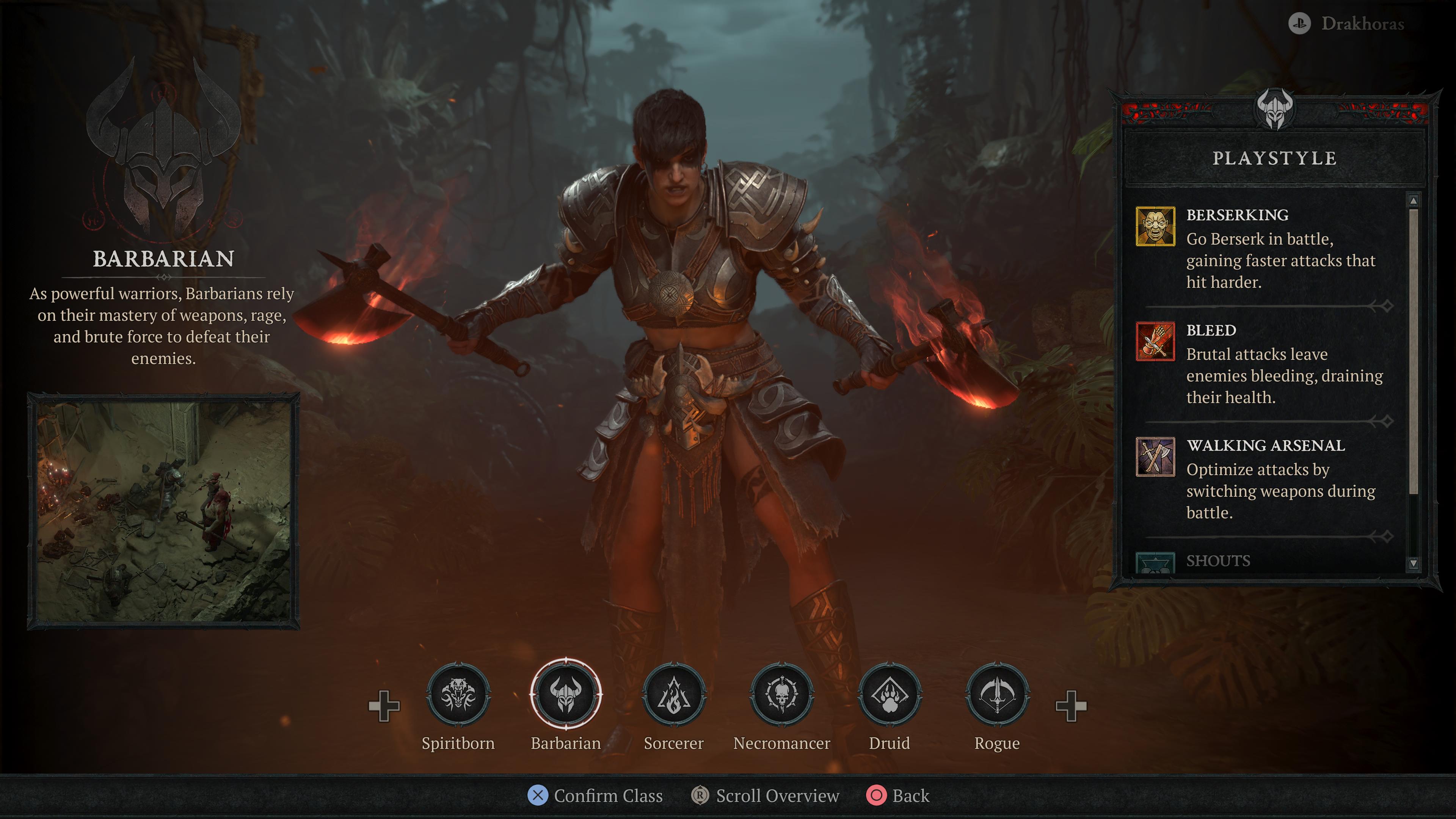

Abilities are tied to a resource system that varies by class (e.g., Fury for Barbarians, Essence for Necromancers), encouraging strategic use of skills. The Skill Tree offers a wealth of options, allowing players to tailor their builds to their preferred playstyles.
Exploration and Open World
For the first time, Diablo adopts an open-world format. Sanctuary is a sprawling landscape filled with main story quests, side activities, dungeons, and random world events. The open-world design fosters exploration, with hidden secrets and lore scattered throughout. However, some players may find the map’s scale overwhelming, especially early on.

Mounts, introduced as a traversal tool, help mitigate travel fatigue. While useful, their mechanics can feel slightly underwhelming due to terrain restrictions and awkward dismount animations.
Gearing and Itemization
Itemization is at the heart of Diablo IV‘s gameplay loop. Players continuously hunt for better gear to enhance their characters. The game features a variety of item rarities:
• Common and Magic Items: Early-game fodder with limited utility.
• Rare Items: The foundation of most builds, offering substantial stat bonuses and potential for upgrades.
• Legendary Items: Game-changing effects that define builds and playstyles.
• Unique Items: Extremely rare gear with pre-determined affixes and unique powers.
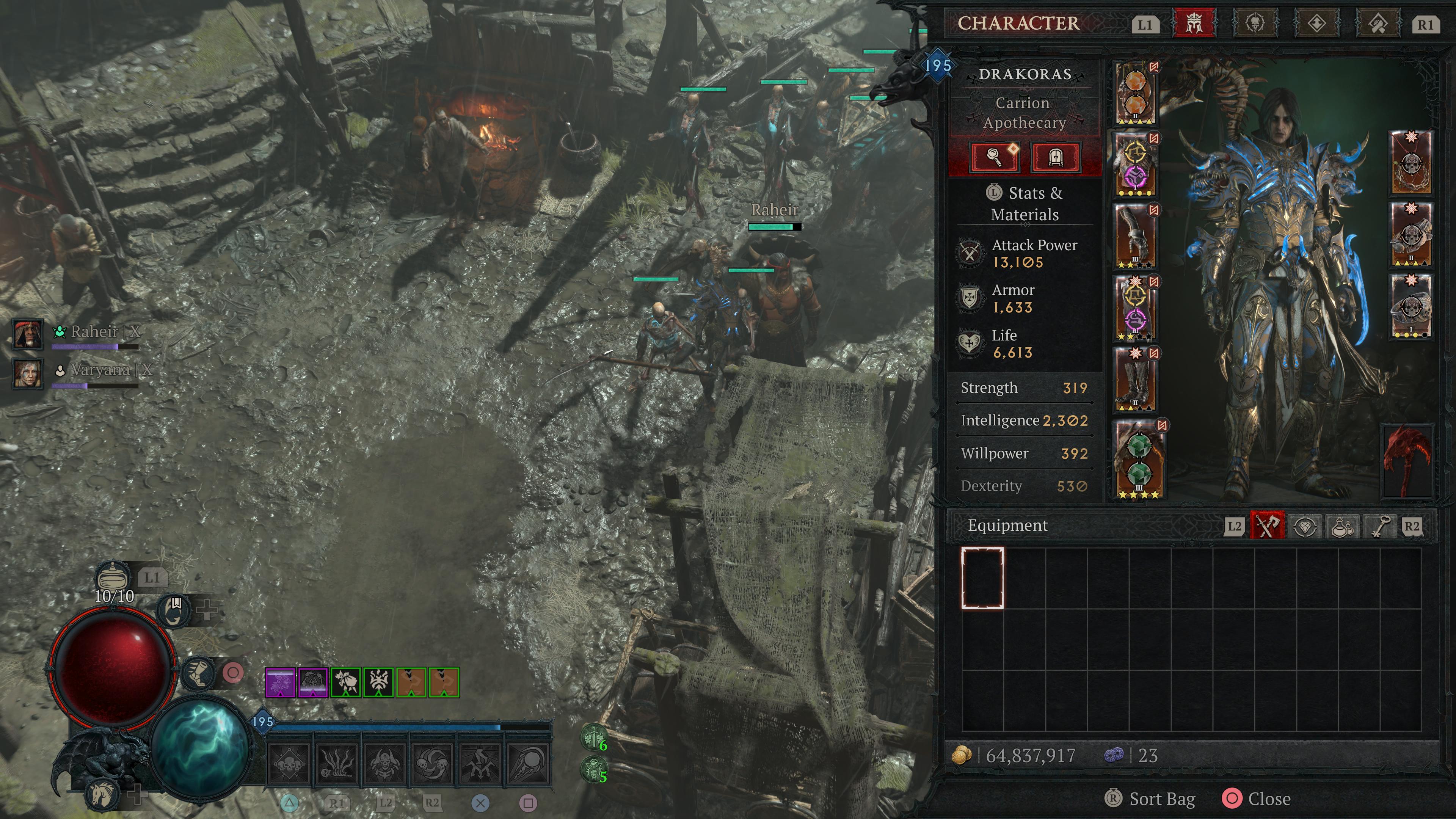
The decision to exclude tier sets, a hallmark of previous Diablo games, has sparked debate within the community. On one hand, it encourages more diverse and creative builds by allowing players to mix and match legendary powers. On the other hand, the lack of visually iconic sets leaves some players feeling nostalgic for the cohesive bonuses and aesthetics they offered. While the current system promotes flexibility, it’s clear that many players miss the sense of achievement tied to completing a set.
Item Crafting and Trading
Crafting in Diablo IV is a robust system that allows players to fine-tune their gear. Players can:
• Upgrade Items: Enhance weapons and armor using materials found throughout Sanctuary.
• Imprint Legendary Aspects: Add or replace unique effects on gear to complement specific builds.
• Reroll Stats: Refine gear attributes to better suit desired playstyles.
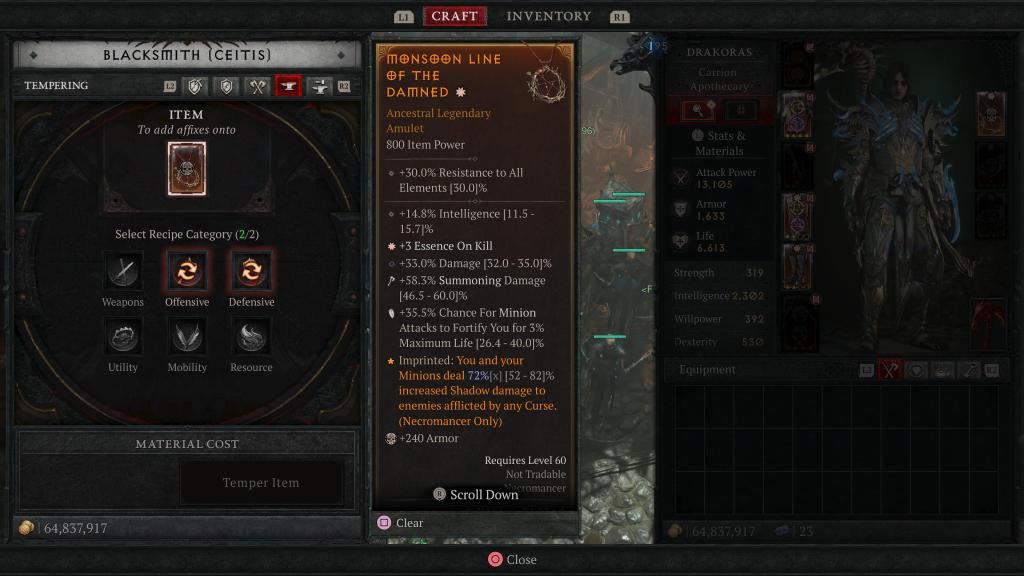
The crafting system ensures that even mundane items can be transformed into powerful tools with the right investment. Trading, while somewhat limited to prevent exploitation, allows for the exchange of rare and non-legendary items, fostering cooperation and community interaction.
Endgame Content and Difficulty
The endgame is where Diablo IV truly shines:
• Nightmare Dungeons: These enhanced versions of regular dungeons offer increased difficulty and unique rewards.
• Helltide Events: Timed world events that challenge players to fend off waves of demons for exclusive loot.
• Whispers of the Dead: A bounty system that encourages exploration and rewards players with crafting materials and legendary gear.
• World Bosses: Massive encounters requiring coordinated effort from multiple players.
Endgame difficulty is tailored to provide an ongoing challenge. Higher-tier Nightmare Dungeons and Helltide zones introduce modifiers that demand precise builds and skillful play. The introduction of Torment difficulty levels further raises the stakes, offering exclusive rewards for those brave enough to face Sanctuary’s toughest foes.
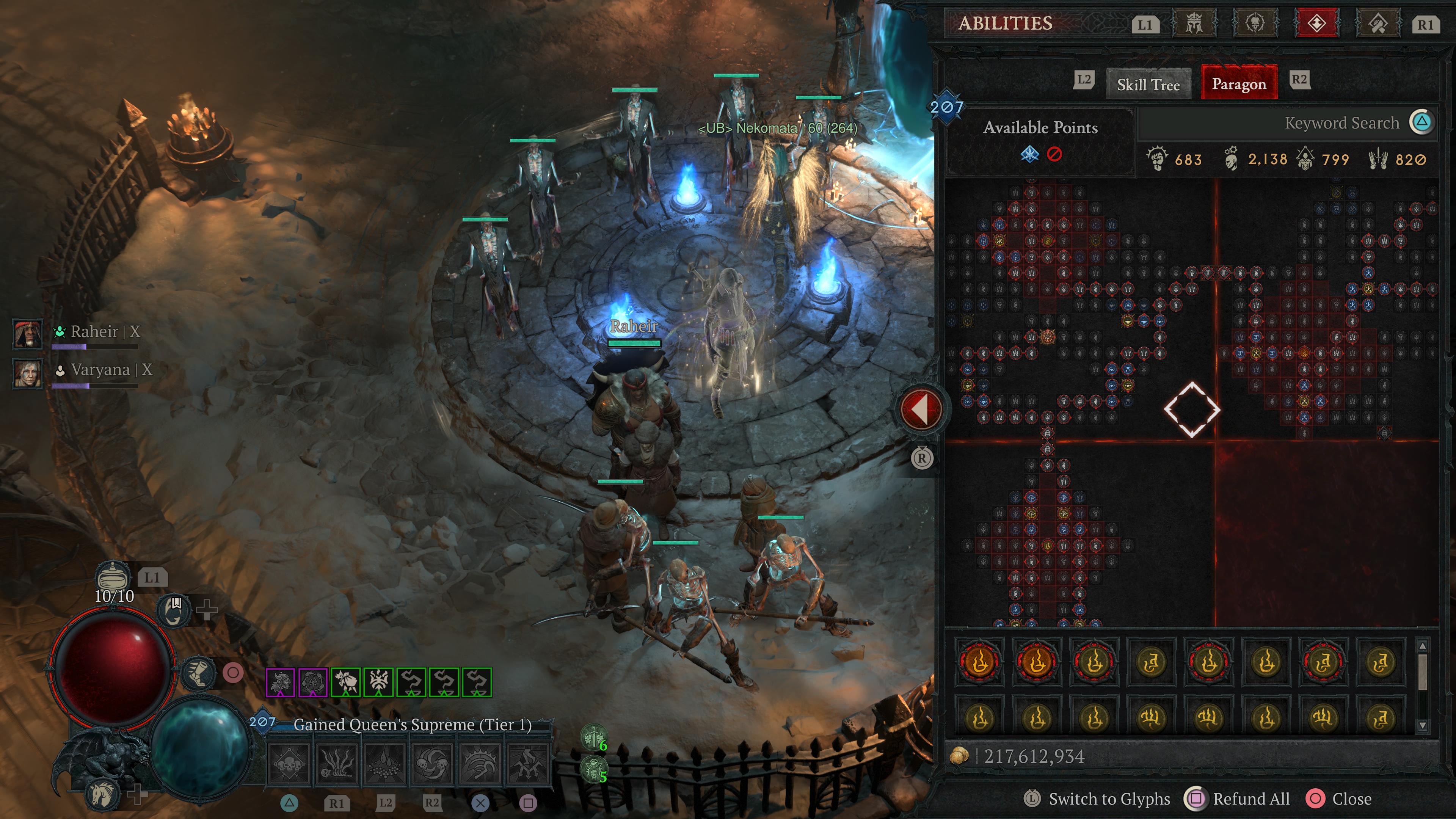
The revamped Paragon Board provides deep customization options for high-level characters. Players can unlock nodes to enhance stats, add bonuses, and refine their builds, ensuring that progression remains engaging long after reaching max level.
Visual and Audio Mastery
Graphics and Art Direction
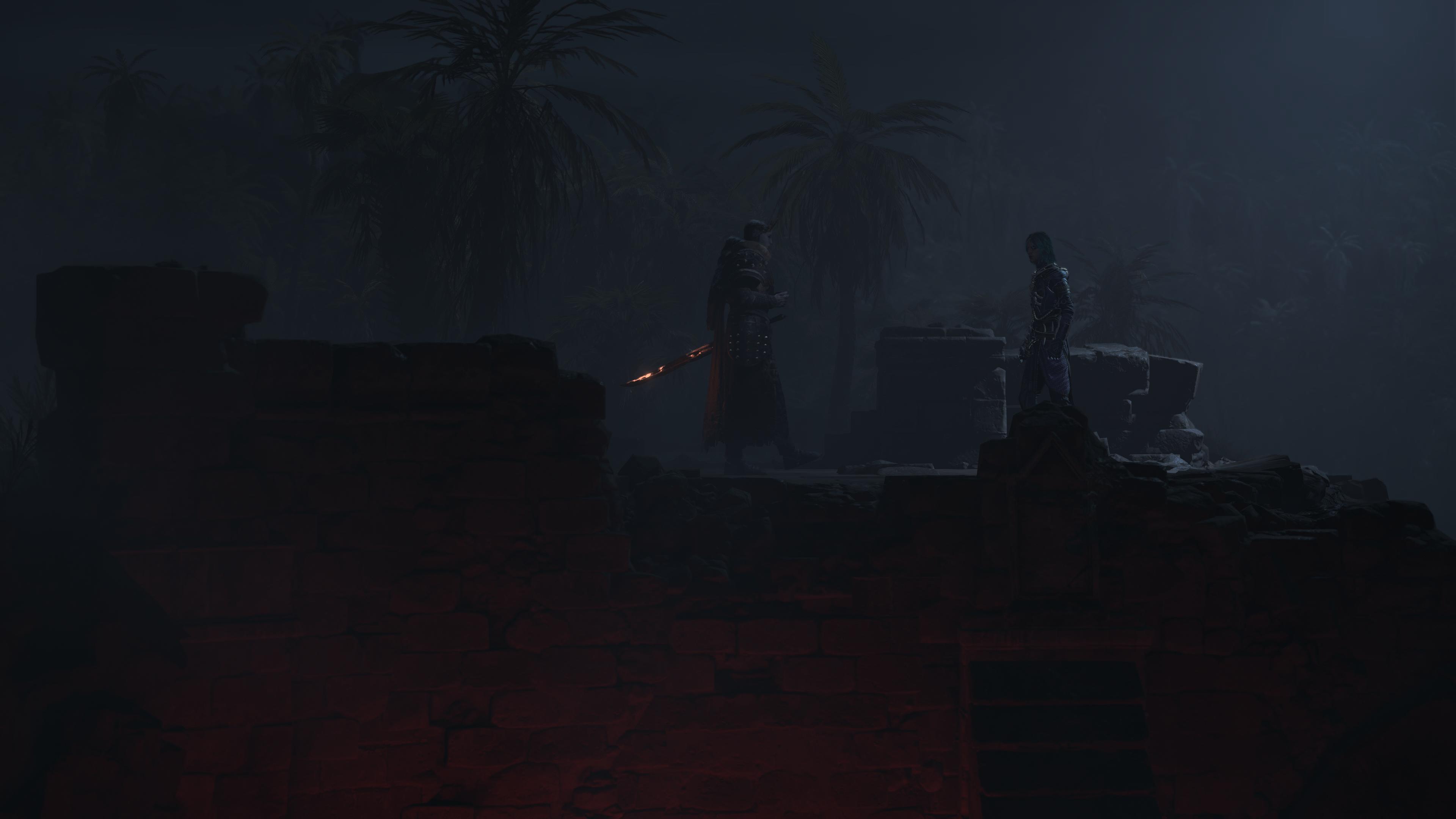
Diablo IV is a visual masterpiece, blending cutting-edge technology with the franchise’s dark, gothic aesthetic. The environments are richly detailed, from the crumbling ruins of Kehjistan to the eerie fog-laden forests of Scosglen. The use of dynamic lighting and weather effects enhances immersion, while character models and animations are lifelike and fluid.
Sound Design
The audio is equally stellar. The haunting soundtrack, composed by Ted Reedy, sets the tone for every encounter, oscillating between somber melodies and adrenaline-pumping battle themes. Sound effects, from the crunch of bones underfoot to the fiery crackle of spells, are meticulously crafted. Voice acting is top-notch, with standout performances by Lilith’s and Neyrelle’s voice actors, adding emotional weight to key story moments.
Expansions and Post-Launch Updates
The first major expansion, Vessel of Hatred, introduced:
• Nahantu Region: A jungle environment inspired by Mesoamerican culture, with new enemies and lore.
• Spiritborn Class: A versatile hybrid class with a unique Spirit Realm mechanic.
• Quality of Life Updates: Enhancements to itemization, new legendary aspects, and a reintroduction of the Runewords system from Diablo II.
Blizzard’s regular updates address community feedback, balancing classes, and refining endgame systems. Seasonal content keeps the experience fresh, offering unique challenges, gear, and cosmetic rewards.
Multiplayer and Social Features
The shared-world system introduces seamless multiplayer interactions. Players can team up for dungeons, participate in world events, or engage in PvP within designated zones. While this fosters a sense of community, it occasionally detracts from the series’ traditional atmosphere of isolation and dread.
Clan and group systems provide tools for cooperative play, and cross-platform functionality ensures that players can team up regardless of their hardware.
Battle Pass and Microtransactions
The inclusion of a battle pass and microtransactions in Diablo IV has been a point of contention among players. On the positive side, the battle pass offers cosmetic rewards that allow players to further personalize their characters, ensuring these additions remain optional and do not affect gameplay balance. However, the monetization model can feel intrusive to some, particularly when tied to a premium currency system. While Blizzard has been careful to avoid pay-to-win mechanics, the existence of microtransactions in a full-price game has left some players questioning its necessity.
Strengths and Weaknesses
Strengths
• Immersive World: Sanctuary is beautifully crafted and filled with rich lore.
• Diverse Gameplay: Five unique classes and countless build options ensure replayability.
• Engaging Endgame: Robust activities and progression systems keep players invested.
• Visual and Audio Excellence: Stunning graphics and an evocative soundtrack.
Weaknesses
• Repetition: Some side quests and endgame tasks can feel redundant.
• Mount Mechanics: Traversal could be more fluid and intuitive.
• Balance Issues: Certain classes and builds dominate the meta.
• Lack of Tier Sets: The absence of iconic gear sets removes a sense of cohesion and achievement in gearing.
Monetization Model: The inclusion of microtransactions in a premium game is divisive.
Final Score: 8.5/10
Diablo IV is a monumental achievement that respects the series’ legacy while boldly pushing it forward. Its compelling narrative, addictive gameplay, and stunning presentation make it a must-play for fans of the genre. While not without flaws, the game’s strengths far outweigh its weaknesses, and its ongoing expansions promise even greater adventures to come.
 la discuții