

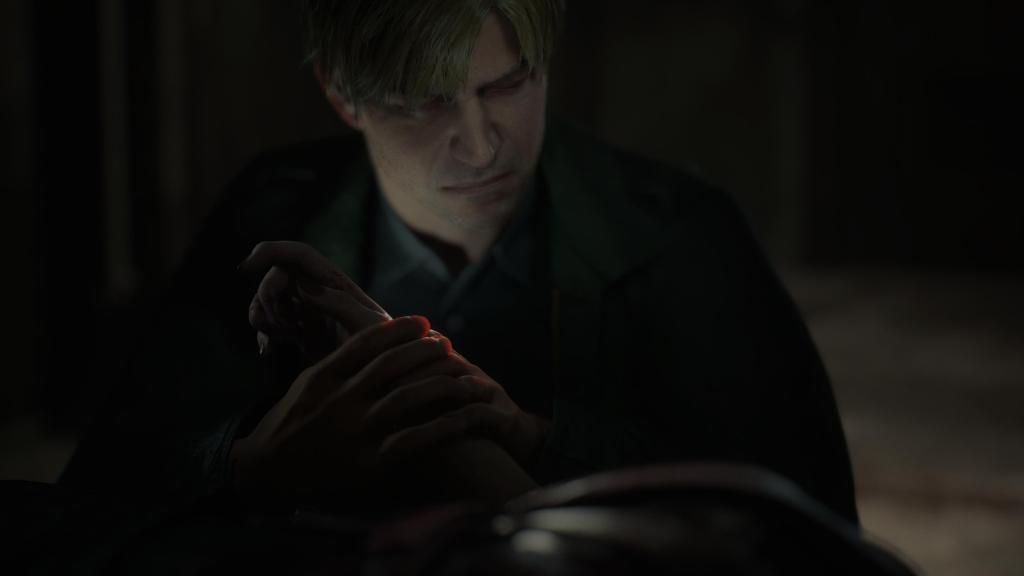
Remake-ul Silent Hill 2, dezvoltat de Bloober Team, reimaginează unul dintre cele mai iconice jocuri de groază psihologică, oferind grafică modernă și mecanici de joc actualizate, păstrând, în același timp, esența narativului său înfricoșător. Deși reușește să aducă clasicul în fața unui public nou, uneori prezintă dificultăți în încercarea de a echilibra inovația cu fidelitatea față de materialul original. Restul recenziei va fi în limba engleză.
In this review, we aim to do more than simply outline the features of Silent Hill 2 Remake. Our goal is to delve into the psychological horror at its core, examining the narrative, characters, gameplay, and, of course, the terrifying monsters that inhabit its world. As this is a 23-year-old story, spoilers are inevitable — proceed at your own risk, but know that the analysis will enrich your understanding of the game’s deeper themes.

Visual and Atmospheric Enhancements
Silent Hill 2 Remake truly takes full advantage of modern gaming technology, utilizing Unreal Engine 5 to breathe life into the fog-covered streets, decrepit interiors, and haunting landscapes that made the original game unforgettable. The environments are meticulously crafted, with a level of detail that feels almost tactile — from the rusting chain-link fences to the scattered, decaying remnants of a forgotten town, each corner of Silent Hill seems to exude a unique sense of dread. The mist that once defined the game now has an almost tangible texture, curling around objects and obscuring the landscape just enough to make every turn feel uncertain.

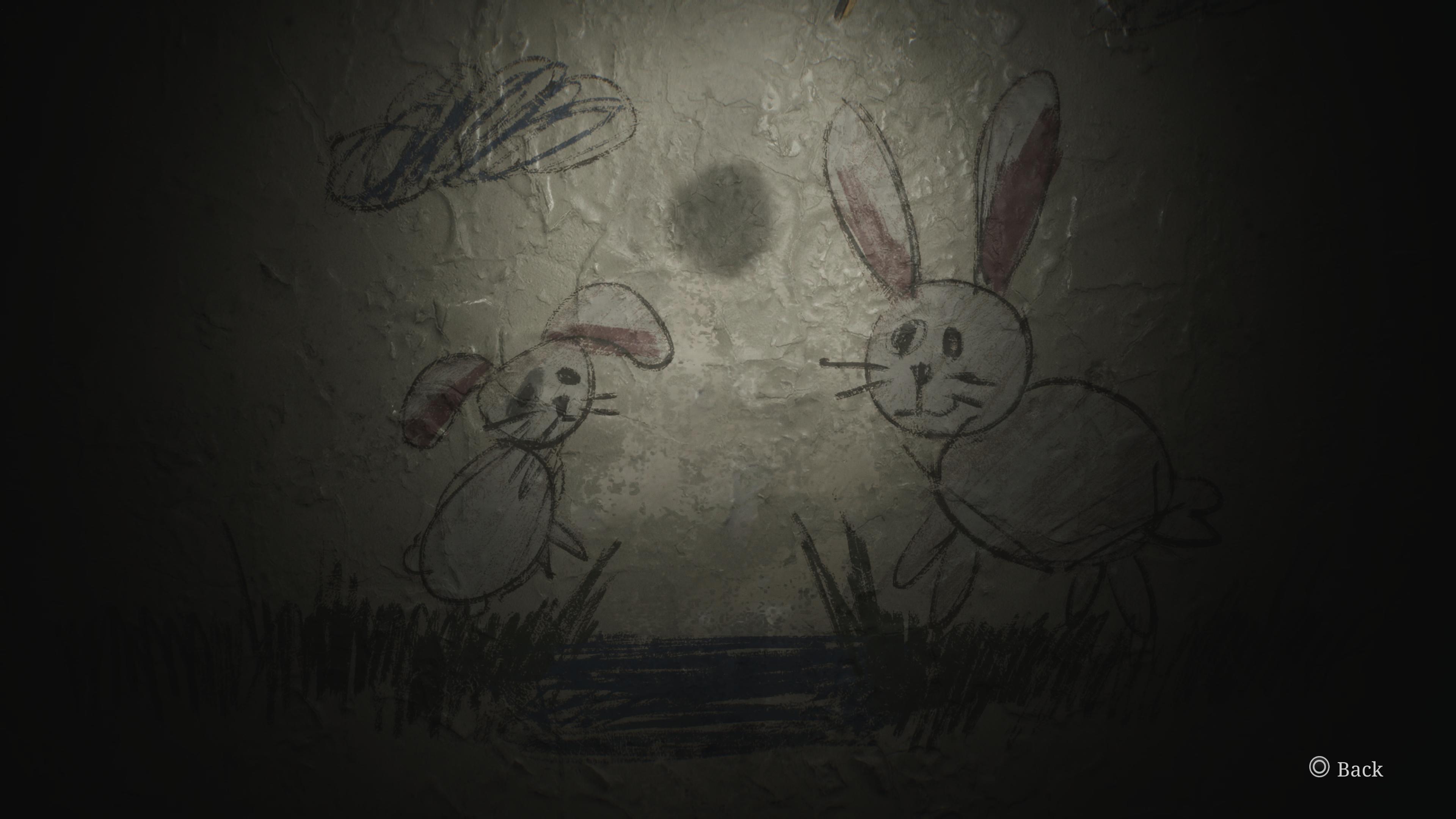

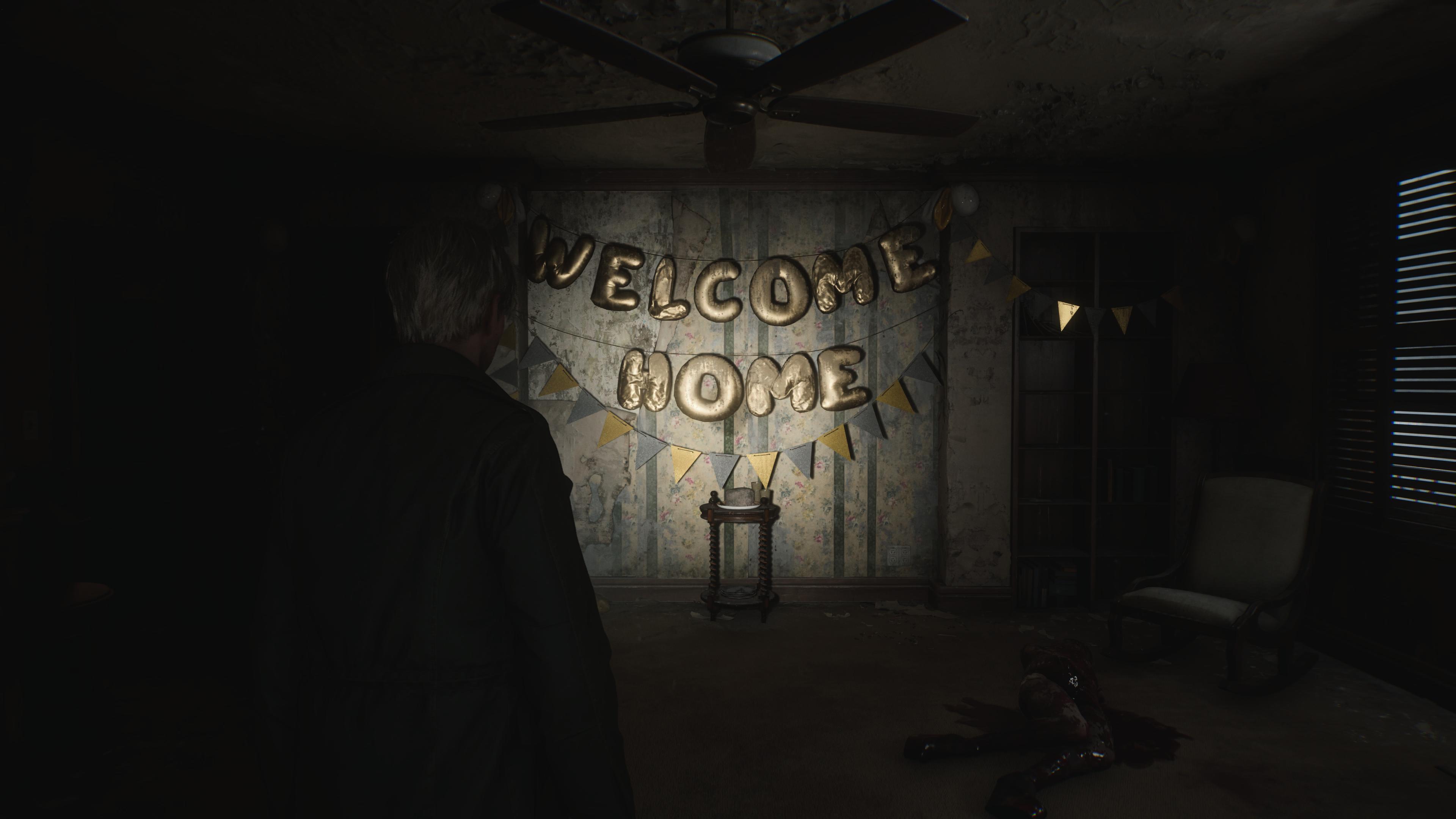

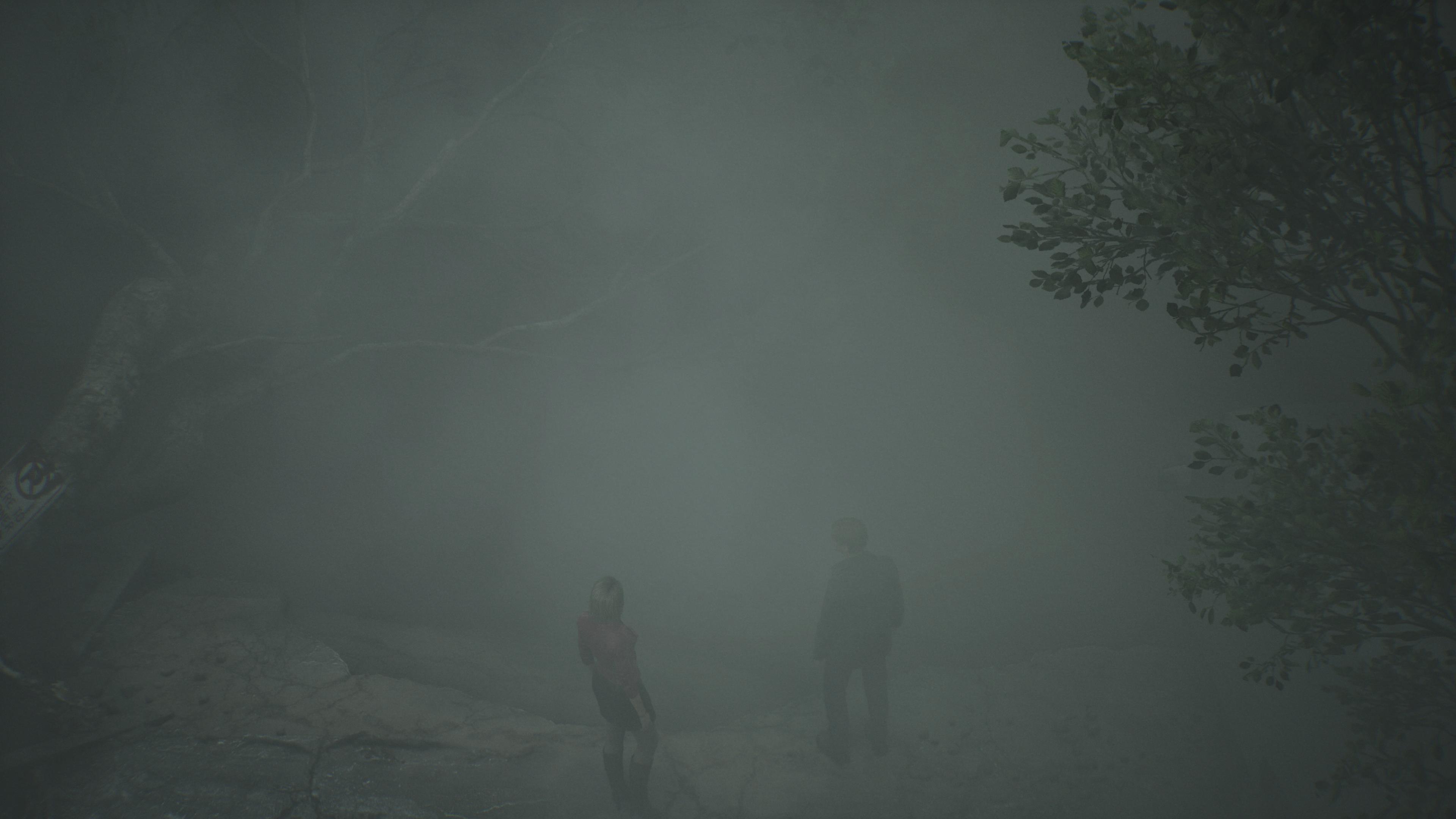


However, while the visual upgrades are a treat, technical issues do occasionally interrupt the otherwise immersive experience. On higher graphical settings, frame rate drops and temporal ghosting can occasionally occur, which can detract from the flow of the game. These issues are mostly subtle but can be especially jarring when navigating through tense areas or during combat sequences. For a game that prides itself on atmosphere, even the smallest visual stutter can pull you out of the moment.
The lighting effects in the remake are particularly impressive, casting long, twisted shadows and creating an atmosphere where nothing is truly safe. The lighting gives each environment a sense of unpredictability: where the original might have relied on static shadows to induce dread, the new dynamic lighting pushes players to feel that something is always lurking just outside their field of vision.
Narrative Fidelity and Evolution
At its heart, Silent Hill 2 has always been a story about grief, guilt, and the consequences of repressed emotions. The remake remains incredibly faithful to the core narrative, following James Sunderland’s journey into Silent Hill after receiving a letter from his deceased wife, Mary. James’s quest to find his wife in the haunted town is deeply intertwined with his own psychological unraveling, and this remains at the forefront of the remake’s plot.

While the overarching plot and major twists — including the infamous twist about Mary’s death — are unchanged, the remake adds some subtle touches that enrich the story without undermining its integrity. New dialogue exchanges, character moments, and environmental storytelling pieces expand on the lore, shedding light on Silent Hill’s deeper mysteries without overwhelming the narrative with extraneous details. These additions provide just enough context to make the town feel more real while never detracting from the game’s core themes of personal torment, trauma, and redemption.
For long-time fans of the original, the respectful handling of these additions is a highlight. The remake acknowledges the complex emotional landscape of Silent Hill 2 while offering a new lens through which to experience the tragedy of James’s journey. For new players, these enhancements provide a fuller understanding of the emotional stakes, ensuring that Silent Hill is not just a place of supernatural terror but one that mirrors James’s inner struggle.

James Sunderland — A glimpse inside, or outside the mind
James Sunderland is one of the most complex characters in video game history, and the remake continues to highlight the contradictions that define him. He is a deeply flawed, emotionally distant man who is haunted by his guilt over his wife’s illness and his role in her death. As the protagonist, his psyche forms the basis for the horrors that he encounters throughout Silent Hill, with each creature and environment reflecting a specific aspect of his inner turmoil.

The relationship between James and Mary is central to the plot, but it’s his evolving relationship with Maria — an almost identical woman who appears shortly after his arrival in Silent Hill — that reveals the true depth of his emotional conflict. Maria is not just a substitute for Mary; she is a distorted reflection of James’s idealized version of her. The way James interacts with Maria — initially with tenderness, then with confusion, and later with guilt — exposes the friction between his desires and his reality. Through his relationships with characters like Angela Orosco and Eddie Dombrowski, the game explores different ways people cope with trauma, shame, and loss. Angela’s tragic story of abuse and Eddie’s violent outbursts contrast with James’s own emotional repression, showcasing the various faces of grief.

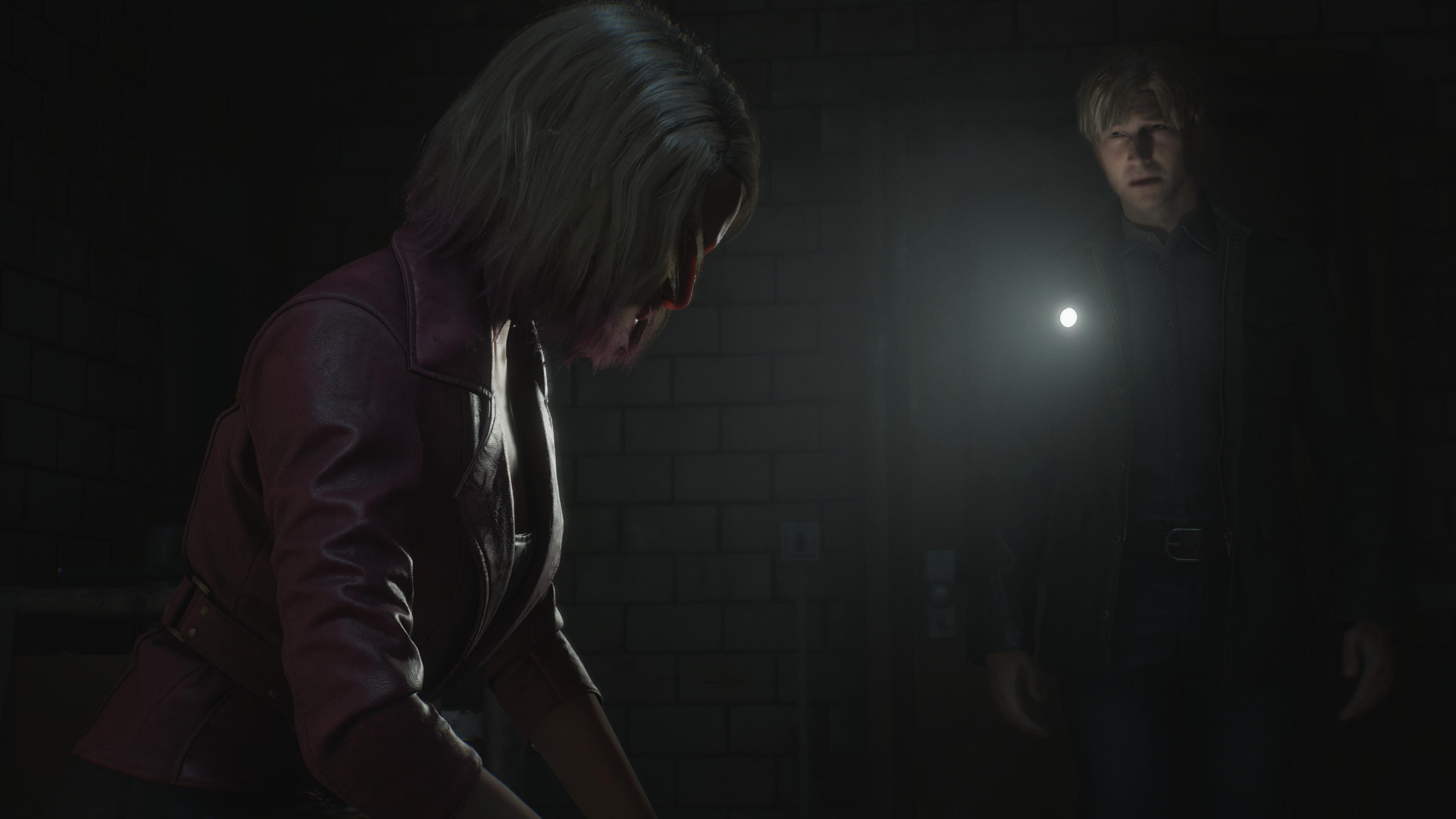


The remake enhances these character dynamics with improved voice acting, facial animations, and body language, making the emotional weight of James’s journey even more palpable. The subtle shifts in his behavior, especially in key moments of the story, reveal the complexity of his emotions and the self-delusion he grapples with throughout his ordeal.
Gameplay Adjustments and Combat: A Double-Edged Sword
The remake introduces several gameplay tweaks that bring Silent Hill 2 into the modern era. Combat has been significantly overhauled, with the addition of dodging mechanics, more responsive controls, and over-the-shoulder aiming, making it feel closer to contemporary survival horror games. These improvements make combat feel smoother and more intuitive, especially for players who may have struggled with the original’s somewhat clunky mechanics.
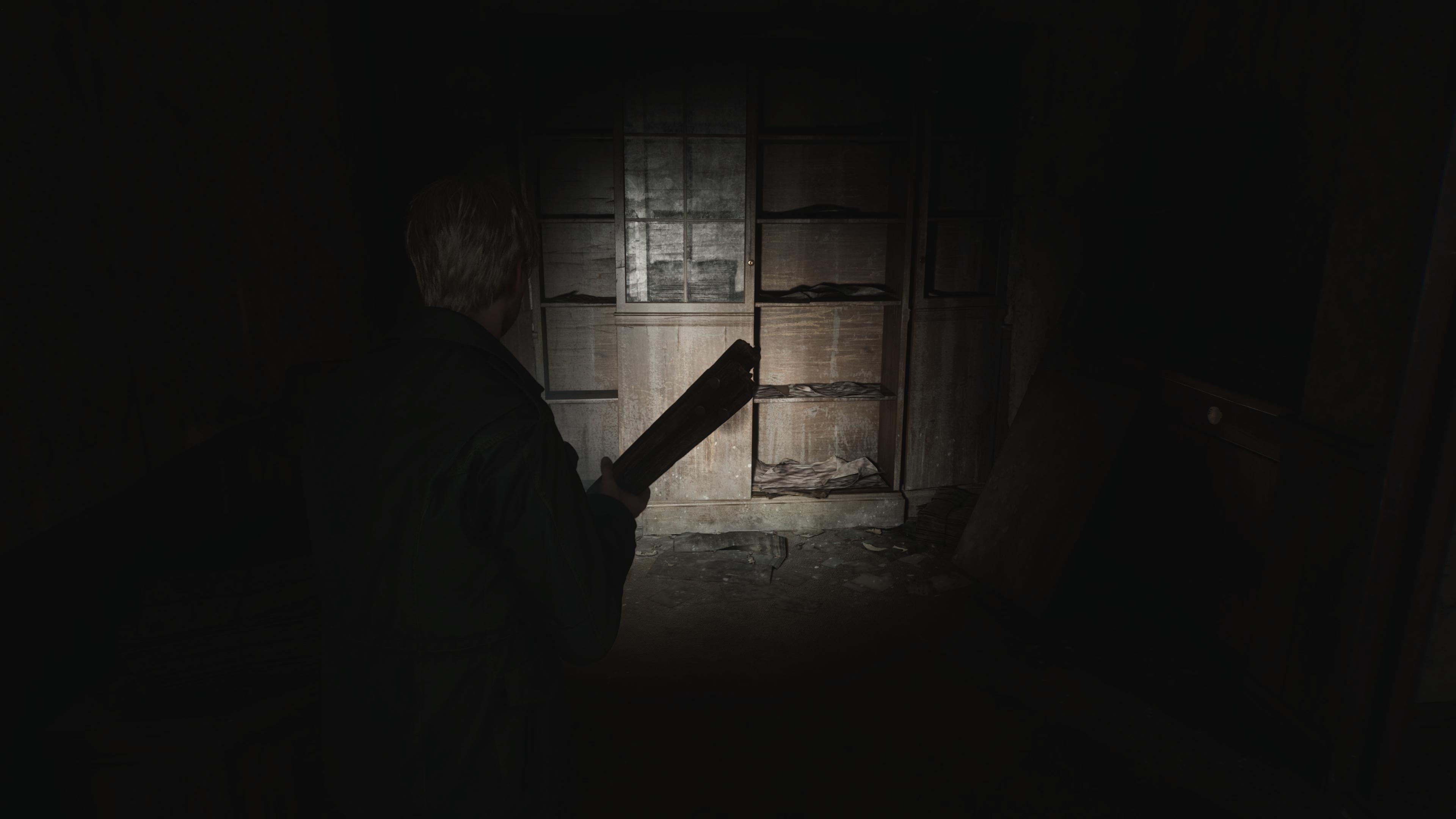
However, this shift toward more action-oriented gameplay has a noticeable impact on the pacing. In the original, combat was sparse, and when you did encounter enemies, it was often a matter of survival rather than a regular part of the experience. The remake, on the other hand, leans more heavily on combat encounters, making them more frequent and sometimes prolonged. The increased number of enemy encounters, particularly with bosses, can make sections of the game feel repetitive, reducing the emotional tension that was once a hallmark of the experience. Instead of carefully crafting each moment of horror, the game occasionally shifts toward action sequences that undermine the original’s slow, psychological buildup.
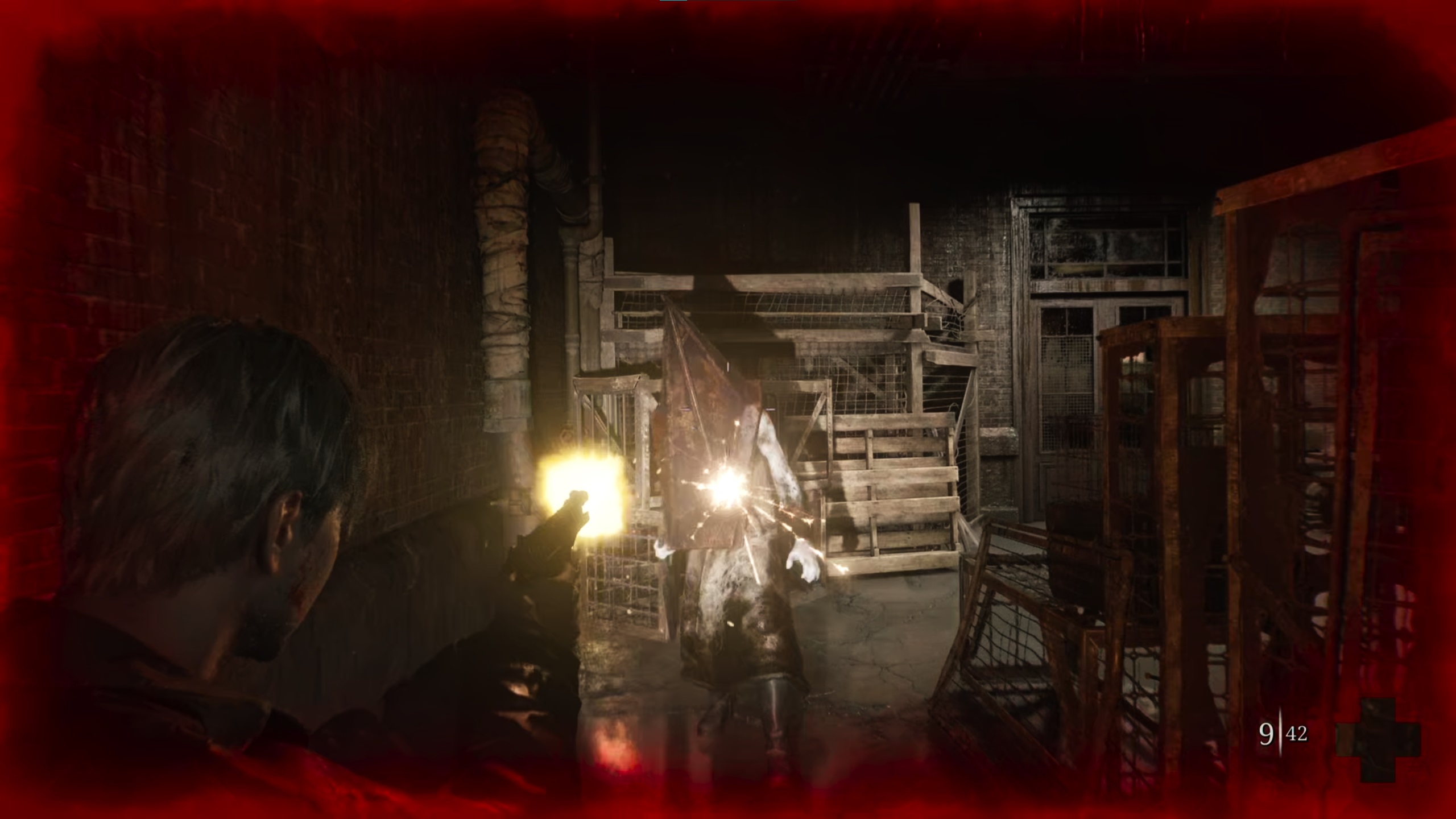
This new focus on combat occasionally breaks the immersion. Whereas the original Silent Hill 2 kept you on edge by forcing you to avoid combat when possible, the remake’s emphasis on defeating waves of enemies — often with more action-oriented mechanics — detracts from the game’s core strength: the slow, creeping dread of isolation and internal conflict.
Puzzles and Exploration: A Nod to the Past, with Some Missed Opportunities
The puzzles in Silent Hill 2 Remake blend old and new, offering a mix of redesigned classic puzzles and fresh challenges for players to solve. For fans of the original, encountering familiar puzzles like the „wooden plank” or the „riddle box” will bring a sense of nostalgia, while the new mechanics ensure that the puzzles don’t feel stale or predictable. That being said, some puzzles in the remake feel outdated or overly simplistic, missing the opportunity to tie more deeply into the game’s themes of guilt, repressed desires, and psychological trauma.

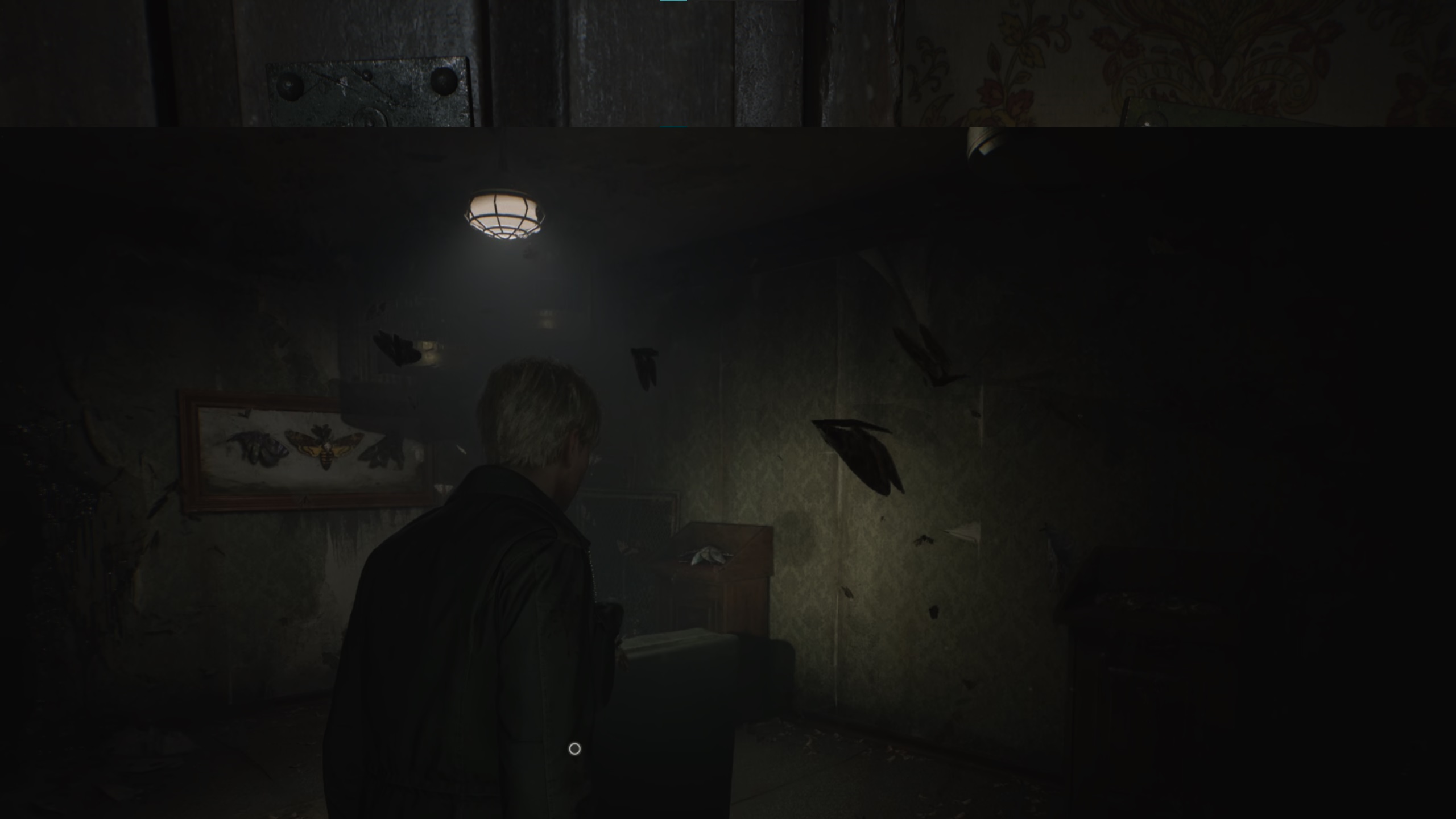
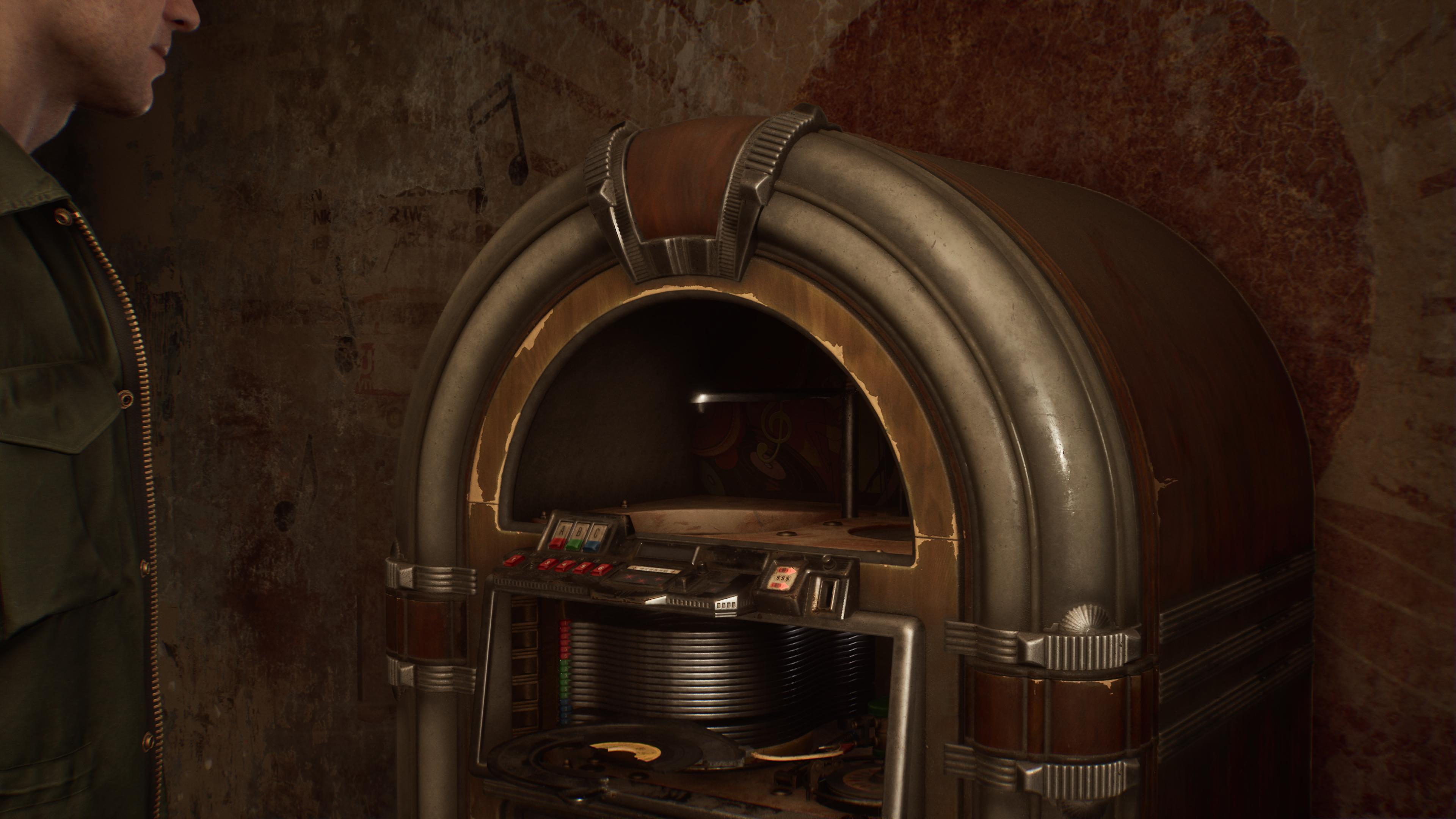

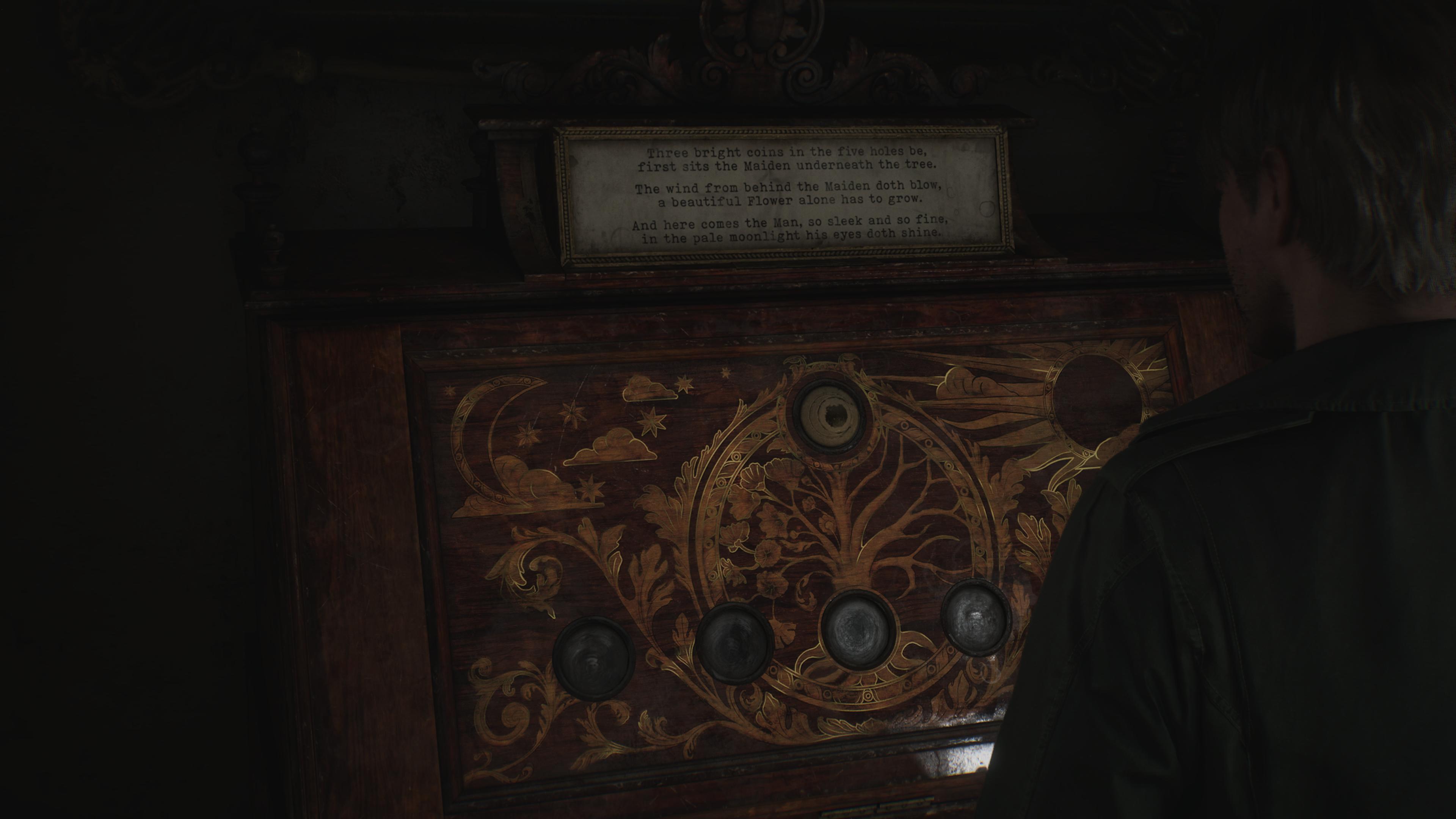
The game’s extended length — nearly double that of the original — is partly due to the increased emphasis on combat, but also due to the exploration of more interiors and side areas. This results in a lengthier experience, but at times the added content can feel like padding. Some puzzles, especially later in the game, are less thematically rich than they could have been, and the extended gameplay occasionally overstays its welcome, especially in the more repetitive, combat-heavy sections. A greater focus on puzzles that integrate more deeply with the themes of guilt, repression, and emotional turmoil would have better served the remake’s psychological horror roots.
Sound Design: A Symphony of Fear
While many aspects of the remake have been revamped, one area where it shines undeniably is its sound design. The remastered version of Akira Yamaoka’s legendary Silent Hill soundtrack remains as haunting and atmospheric as ever. The music — with its eerie industrial hums, haunting melodies, and dissonant noise — is meticulously woven into the gameplay, becoming as much a part of the environment as the mist itself. Yamaoka’s score is integral to the sense of dread that permeates every scene, and hearing these iconic pieces with improved audio fidelity only enhances their power.
Ambient sounds — subtle creaks, whispers, and distant, unsettling noises — are more finely tuned in the remake, contributing to an audio landscape that is dense with tension. The sound of footsteps in the wet streets, the clinking of broken metal, and the unsettling sounds of monsters lurking just out of sight all play an essential role in drawing you deeper into the twisted world of Silent Hill. These elements are far more pronounced than in the original, making the environment feel not just visually immersive but sonically oppressive.
We propose a playlist for all of you interested in this masterpiece of music:
The environmental audio is an essential component of the horror experience, and Silent Hill 2 Remake ensures that every moment is underscored by an auditory sense of dread. Whether you’re exploring a derelict hospital or wandering through fog-drenched streets, the soundscape amplifies the feeling that you are never truly alone in this nightmare.
Monster Analysis: Manifestations of the Mind’s Darkest Fears
The monsters of Silent Hill 2 Remake are not merely physical obstacles — they are embodiments of James Sunderland’s deepest fears, guilt, and grief. Bloober Team brings these grotesque creations to life with updated visuals and animations that intensify their psychological impact. Here’s a closer look at some of the key monsters and their deeper meanings.
The Lurker: Guilt Hidden in Shadows
The Lurker is a grotesque, bloated creature that crawls on all fours, often hiding in dark corners until it senses James’ presence. Its disfigured form and unnerving movement make it one of the most disturbing enemies in the game.
The Lurker represents James’ shame and his desire to escape from the truth. Appearing primarily in confined, shadowy spaces, they mirror James’ repressed guilt — the trauma of his wife’s death and his feelings of betrayal. Their erratic movements and tendency to ambush the player force James to confront this buried guilt head-on. The design in the remake amplifies the horror, with their grotesque bellies and alien appearance further distancing them from the human world and reflecting James’ fractured psyche.
Pyramid Head: The Executioner of Guilt
Pyramid Head is the most iconic creature in Silent Hill 2, and the remake captures its terrifying presence with chilling fidelity. With its pyramid-shaped helmet and oversized butcher’s knife, Pyramid Head is an embodiment of violence and punishment, relentlessly pursuing James throughout the game.
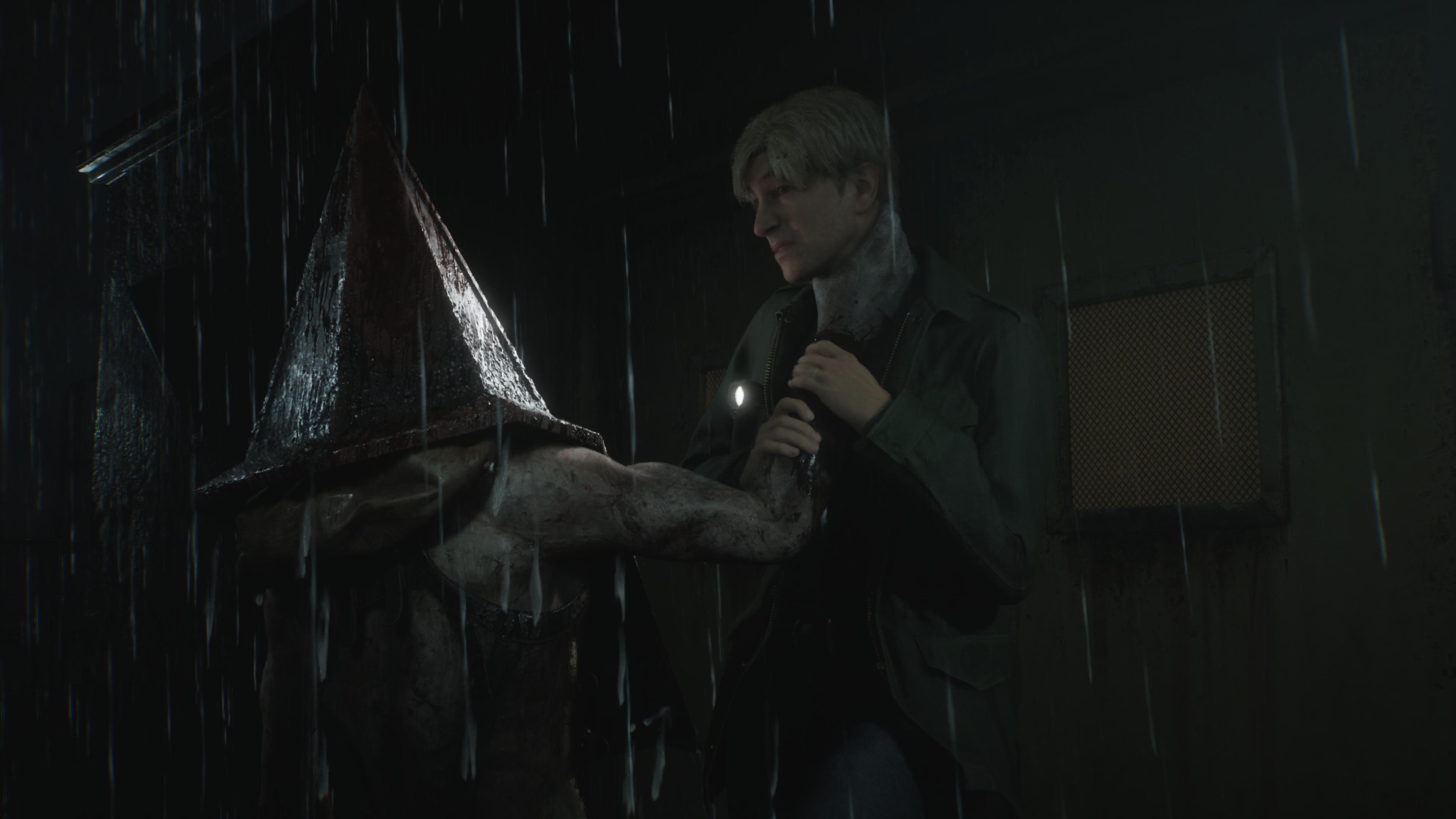
This creature symbolizes James’ deep guilt and desire for self-punishment. Pyramid Head represents the part of James’ mind that believes he deserves to suffer for his role in Mary’s death. The remake enhances this symbolism with smoother animations and more fluid AI, making its appearances even more unnerving. Pyramid Head’s constant pursuit and eventual death at James’ hands mark the symbolic end of his self-imposed punishment.
The Mannequin: A Fragmented Desire
The Mannequin is a terrifying hybrid of two female torsos attached to human legs, moving in jerky, unnatural ways. The creature is often found in pairs, adding to the disturbing effect they have on the player.
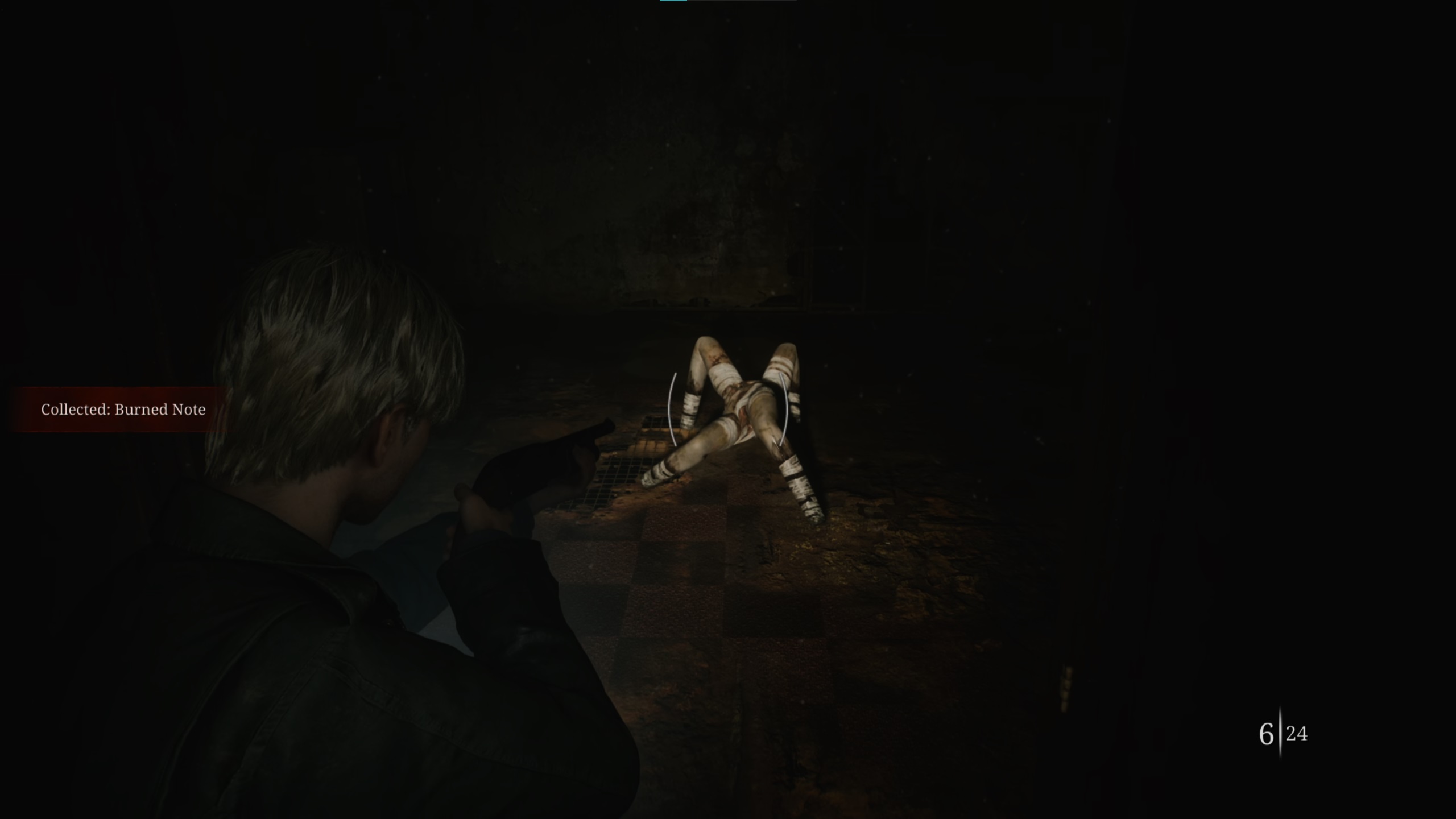
These monstrous figures represent James’ fractured perception of intimacy and desire. Their disjointed bodies reflect his conflicted feelings about his relationship with Mary — love, guilt, and frustration all woven together. The sexualized nature of the Mannequins further underscores James’ emotional alienation from Mary and his repressed desires, especially in light of her illness. The way the Mannequins move creates an atmosphere of physical discomfort, making them some of the game’s most unnerving monsters.
The Nurses: A Distorted View of Sexuality and Guilt
The Nurses are some of the most iconic creatures in the Silent Hill series, and the remake heightens their disturbing presence. With their short, bloodstained uniforms, surgical tools, and contorted bodies, the Nurses are a grotesque representation of James’ sexual guilt and repressed desires.
These creatures symbolize the sexual frustration James experienced due to Mary’s illness, as well as his unresolved feelings about intimacy. Their sexualized appearance and twisted movements contrast sharply with their robotic behavior, embodying the conflict between desire and repulsion. The Nurses are found in environments that mirror the sterile, emotionally distant atmosphere of James’ relationship with Mary. The improved AI and animations make them even more unnerving, creating a constant reminder of James’ emotional struggles.

The monsters in Silent Hill 2 Remake are not merely enemies to defeat — they are symbolic representations of James Sunderland’s internal conflict. Each creature is carefully designed to reflect his guilt, shame, trauma, and grief. With modern graphics and enhanced animations, Bloober Team brings these nightmarish manifestations to life in ways that enhance their psychological horror.
As you navigate the foggy streets and confront these terrifying monsters, you are not just battling for survival — you are engaging in a confrontation with the darkest corners of James’ mind. These creatures are externalizations of his pain, and understanding their deeper meanings adds an extra layer to the haunting journey that unfolds.
Verdict: A Powerful Re-imagining with Some Flaws
The Silent Hill 2 Remake is an ambitious project that successfully translates the original’s haunting atmosphere, complex characters, and deeply psychological narrative into the modern gaming landscape. The visual upgrades, sound design, and enhanced character models provide a fresh perspective on a classic, making it more immersive and accessible to new players while still honoring the original.
However, the decision to increase the frequency of combat encounters and extend the gameplay’s length occasionally detracts from the psychological horror that made Silent Hill 2 so groundbreaking. The more action-heavy approach may alienate some fans of the original, as it risks overshadowing the carefully crafted tension and subtle horror that the game’s pacing once embraced.
Despite these minor shortcomings, Silent Hill 2 Remake is a worthy re-imagining that serves as both a love letter to long-time fans and a gateway for new players into the twisted world of Silent Hill. It might not surpass the original, but it undeniably succeeds in revitalizing one of the greatest psychological horror games of all time for a new generation.
Final Score: 8.5/10 (A Haunting, Modernized Experience)
Whether you are revisiting Silent Hill or entering it for the first time, the Silent Hill 2 Remake is a haunting, emotionally charged journey through the darkest corners of the human psyche.
 la discuții